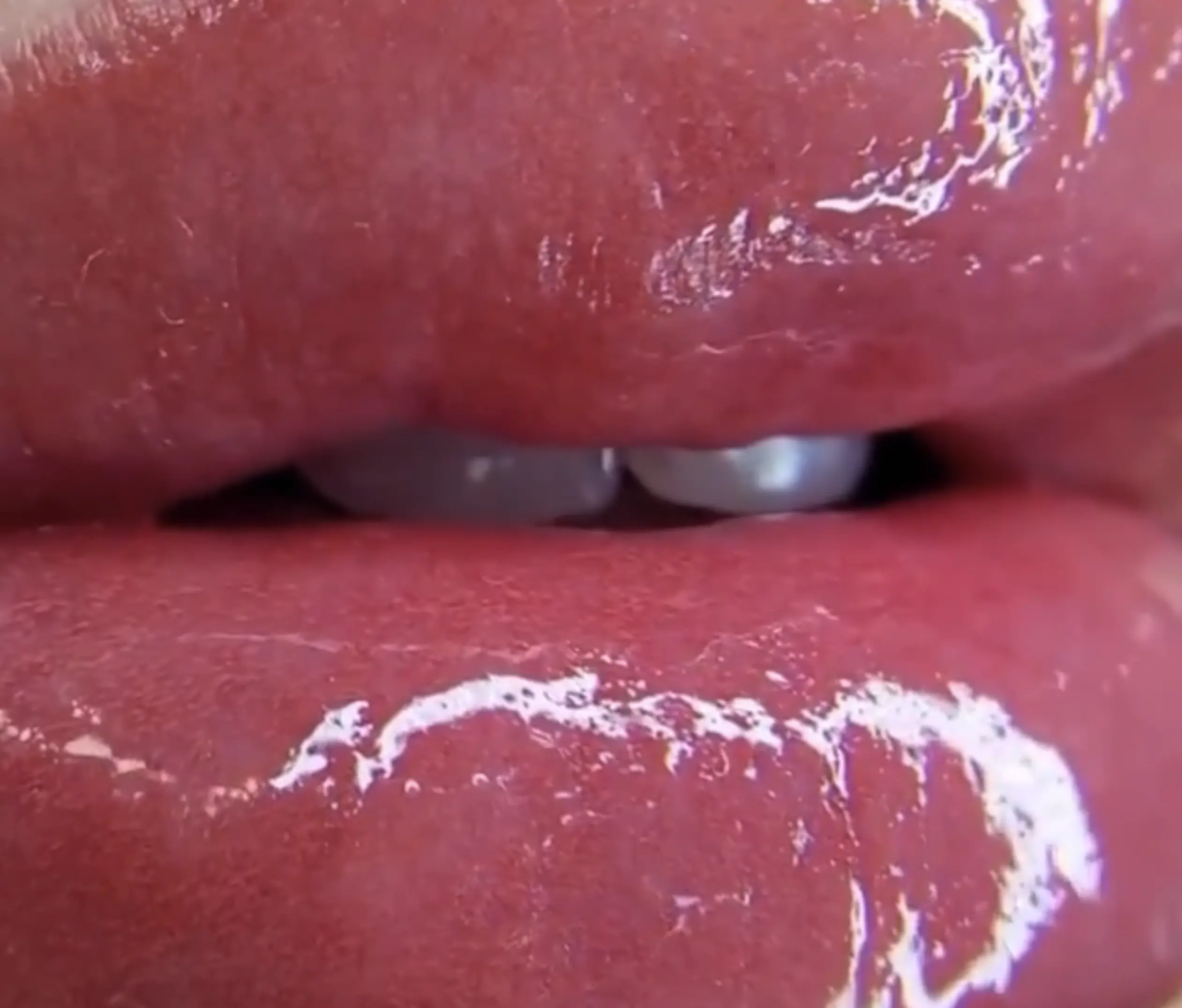
Lip tattoo or permanent and semi-permanent lip colour as they are also called, is an increasingly famous cosmetic procedure for people who desire long-lasting enhancements on their lips. This article provides detailed information concerning lip tattoos including what they entail in terms of history, types, the tattooing process itself, post-care, and likely risks involved. Whether you want a natural look with a lip blush tattoo or a bold statement with full lip colour, this guide will help you make the right decision.
What are Lip Tattoos?
Lip tattoos refer to the implantation of pigments into the dermis of the lips. Unlike traditional body tattoos that use ink to create designs on the skin surface, lip tattoo are done to improve the shape and color of your lips with varying degrees of subtlety ranging from pale tints to striking full-shade effects. These tattoos can last between one and five years depending on factors such as healing methods used and aftercare instructions followed.
The History of Lip Tattoos
Lip tattooing began in ancient civilizations where it was used for ceremonial purposes among others. In recent times though, applying cosmetic lip tattoos started during the second half of 20th century. The advancement in techniques and pigments has resulted in safer procedures and more natural results respectively. Currently, these procedures have become part of the beauty industry due to their convenience factor.
Popularity and Trends in Lip Tattoos
The endorsement by beauty influencers like Kendall Jenner has contributed significantly to increased popularity around these permanent makeup trends for lips. Lip tattoo trends have evolved over time; some examples include ombre lips, lip blush tattoos, and full lip color tattoos. With improvements made over time such as better pigment selection, more options now exist.
Types of Lip Tattoos
- Lip Blush Tattoo: Also known as permanent lipsticks or tinted balm, this is done by adding light shading to the lips in a way they look fuller and more defined without the use of dark edges linked to liner tattoos. This technique makes it appear like you have not applied any make-up at all.

- Full Lip Colour Tattoo: For those who desire a more intense appearance, full lip color tattoos are a great choice. With this method, one can ink the entire surface area of their lips with any shade thus avoiding using lipstick every day.
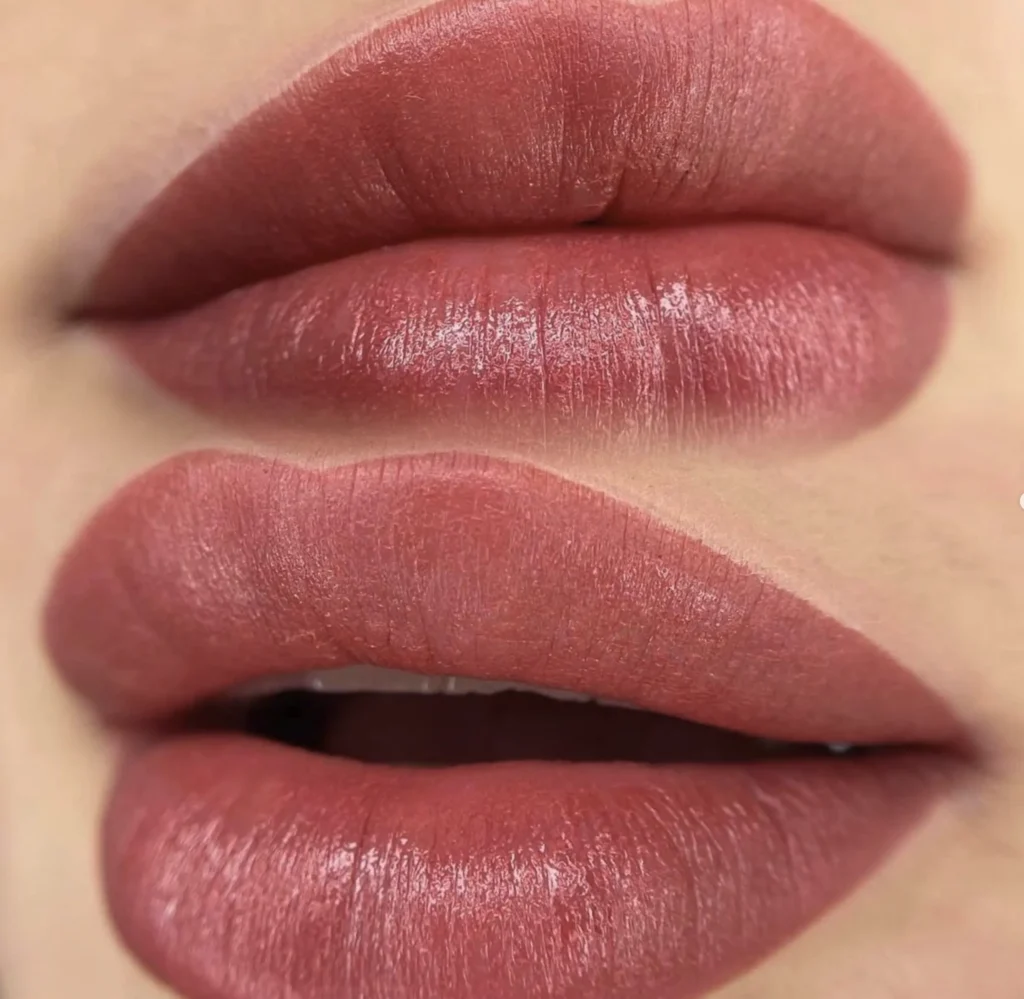
- Lip Liner Tattoo: These are intended to enhance lip edges that look denser and deeper than before in order to make them more prominent. It provides additional dimensionality and can be combined with lip blush or full lip color tattoos for a complete look.
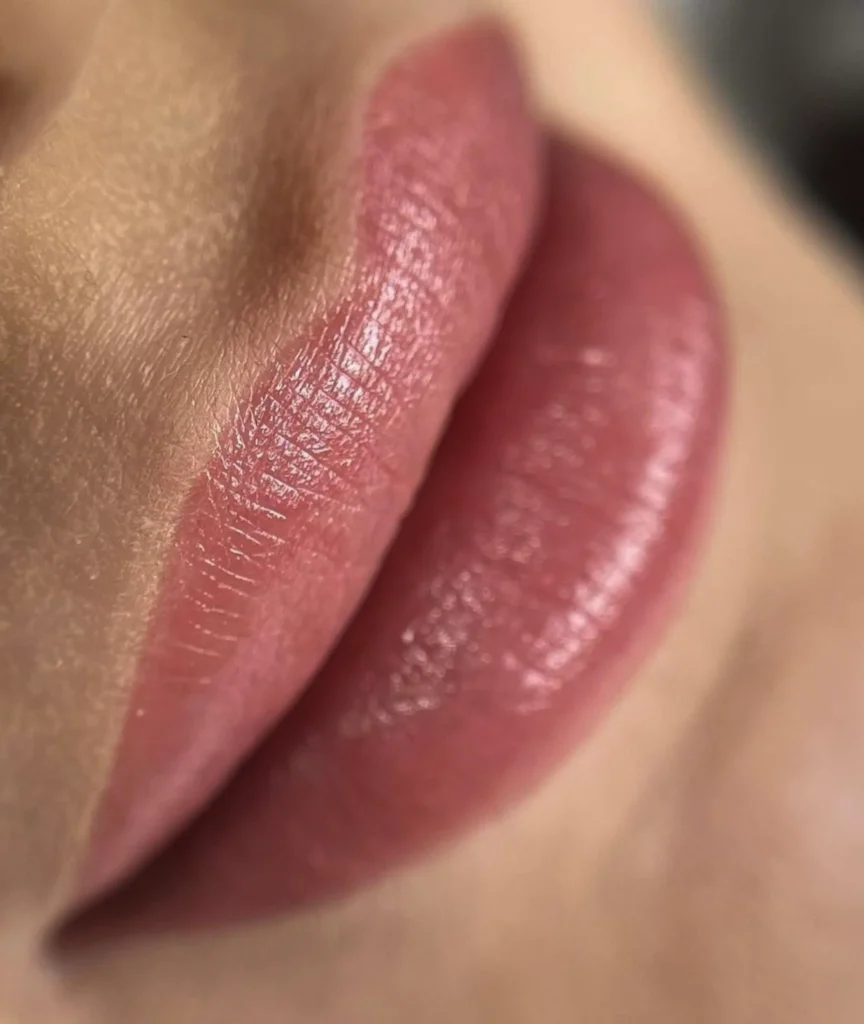
- Ombre Lip Tattoos: The ombre effect on lips involves blending several shades together for a cool and hip look. This type of tattoo can range from subtle transitions between different hues to high contrast among many others.

- Watercolor Lip Tattoos: Known for their soft and delicate finishing, this technique emulates the look of watercolor paint with a variety of shades to give an artistic and unique appearance.
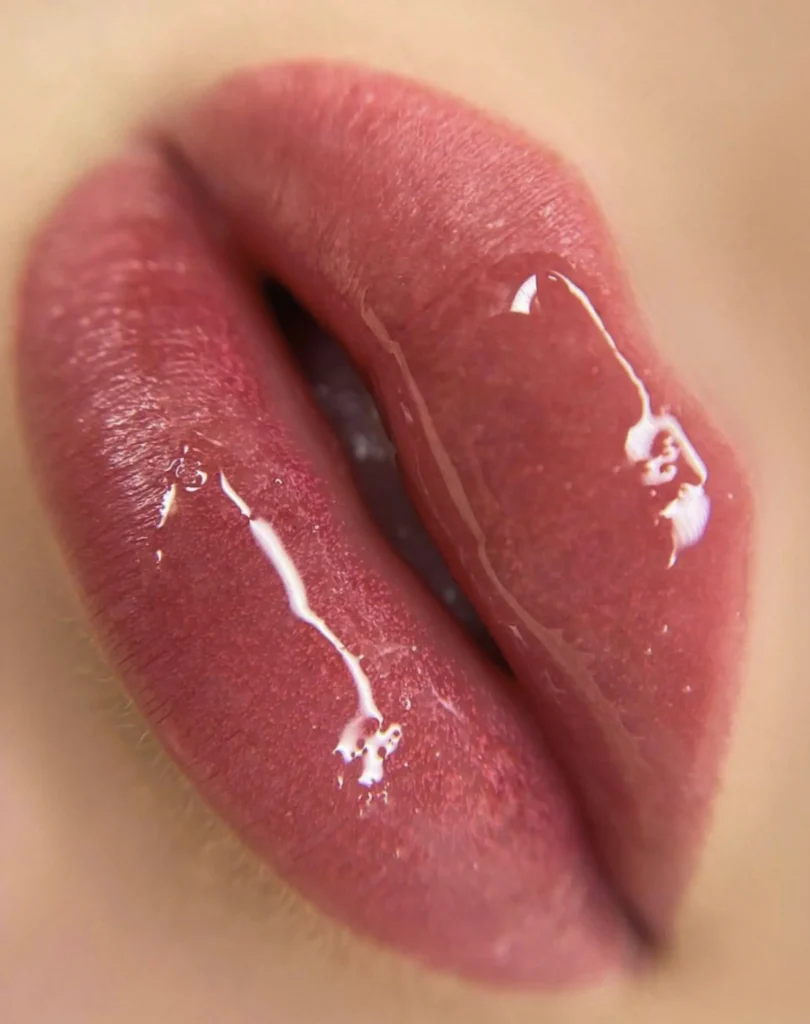
- Dark Lip Neutralization: Lip neutralization is a cosmetic procedure aimed at lightening and balancing the color of dark or unevenly pigmented lips. This guide covers the essentials of the procedure, including what it entails, the process, post-care, and potential risks. Whether you want a more uniform lip color or to enhance your natural lip shade, this guide will help you make an informed decision. Dark lip neutralization involves implanting lighter pigments into the lips to neutralize dark or uneven tones, resulting in a more even, natural-looking color. The effects can last between one to three years, depending on aftercare and individual skin type.
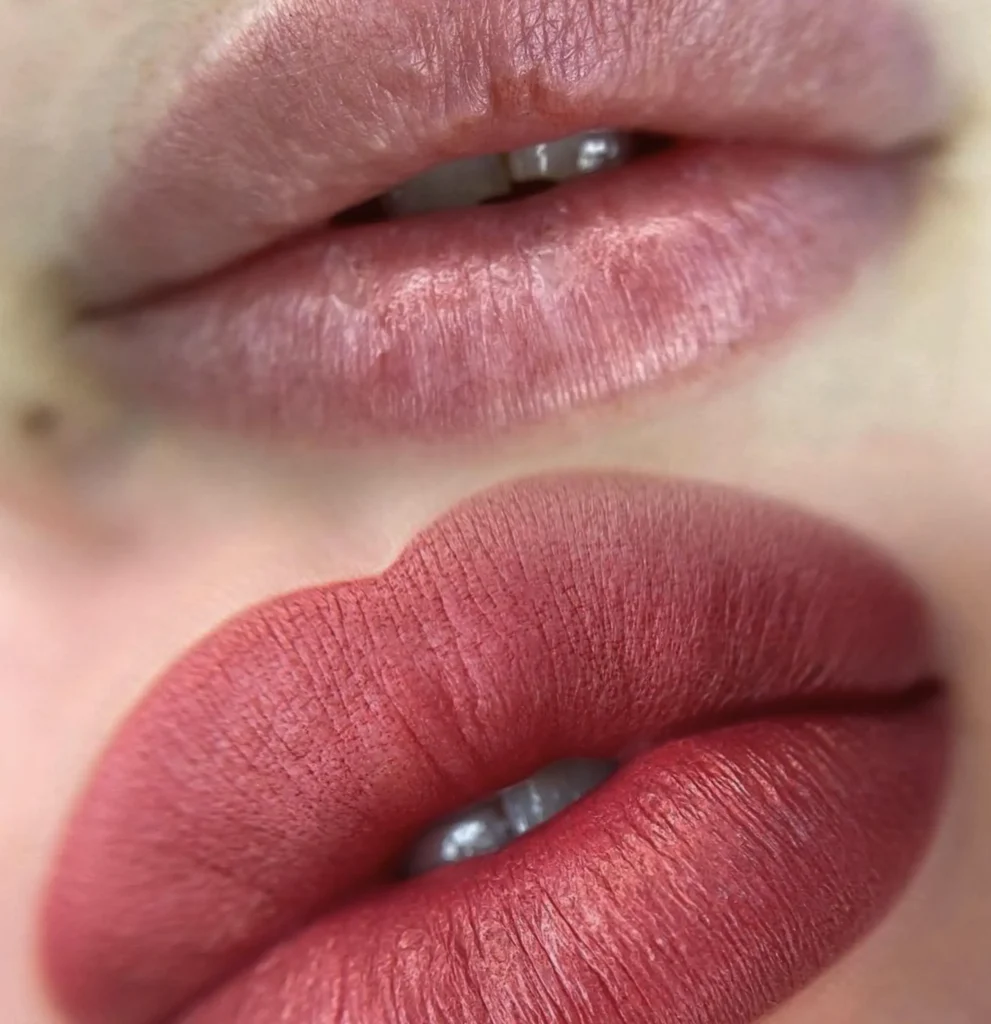
The Lip Tattoo Process
Consultation and Planning
The first step in the lip tattoo process is a comprehensive consultation with a professional tattoo artist. You will have to discuss your preferred outcome, pick colors, and plan the design at this point. A good practitioner will offer advice based on your complexion, natural lip color, and overall aesthetic goals.
Choosing the Right Tattoo Artist
It is important to select a skilled and experienced tattoo artist for the best results. Look for artists with a strong portfolio and positive reviews from previous clients. Ensure that they follow strict hygienic procedures at all times.
Pre-Treatment Care and Preparation
Proper preparation is essential for a successful lip tattoo. Avoid blood thinning medications such as aspirin or fish oil two weeks prior to your appointment. Before your appointment, exfoliate your lips gently using a lip scrub and keep them moisturized.
The Procedure: Step-by-Step
For many clients, pain management is a concern. Numbing cream helps minimize discomfort, though some people may still feel slight pain during the process. The duration of a lip tattoo session typically lasts between 1 to 2 hours.
Aftercare and Healing
Immediate Aftercare Instructions
Proper healing of a lip tattoo requires immediate aftercare instructions right after it has been performed. Avoid touching your lips, keep them clean, and use healing balms to soothe your skin.
A Long-Term Process of Healing
The process of long-term healing lasts for several weeks. During this time, the color may appear darker before it sets to its final shade. Proper healing occurs in multiple stages including initial swelling, peeling, and color variations.
Common Steps of Healing
Understanding these typical stages of recovery will help manage your expectations. Your lips might be swollen and sore right after the appointment. Within a week, the color will start darkening, and a scab will form. Upon peeling off, the scab lightens up before settling to its final hue—this could take 6-12 weeks post-treatment.
Recommended Aftercare Products
Proper choice of aftercare products is essential for a smooth healing process. Use ointments that facilitate healing as well as gentle cleansing lotions and lip moisturizers. Avoid products with harsh chemicals or exfoliants.
Signs of Infection and When to Seek Help
Knowing the signs of infection is important. If there’s excessive redness, swelling, pus, or severe pain, seek professional assistance immediately. Timely interventions prevent complications and ensure proper healing.
Managing Swelling and Discomfort
After getting inked on your lips, it is normal to experience some swelling and discomfort. Apply cold compresses gently and use over-the-counter painkillers to reduce discomfort. Sleeping with an elevated head can also help manage swelling.
Risks and Considerations
Possible Dangers and Problems
Lip tattoos, like all other beauty processes, come with risks and complications. These include allergies to pigments, infections, or uneven pigmentation. It is essential to be aware of these hazards before undergoing the procedure.
Common Side Effects
Some side effects that may be experienced after a lip tattoo include swelling, redness, and tenderness. These typically clear up within a few days to a week. Adhering to aftercare instructions minimizes these effects and facilitates smooth healing.
Pigment Allergies
Allergic reactions to pigments can occur. A patch test before the procedure can detect this. Inform your artist if you have a history of allergies, so they can use hypoallergenic pigments.
Cold Sores and Lip Tattoos
Cold sores can be triggered by lip tattoos, especially in those prone to this condition. Taking antiviral medication before and after the procedure can prevent this. Inform your artist if you have a history of cold sores.
Blood Thinners and Lip Tattoos
Blood-thinning medications increase the risk of bleeding during the procedure. Consult your doctor before discontinuing any medications and inform your artist about any medications you are taking.
Who Should Avoid Lip Tattoos?
Pregnant women, people with certain medical conditions, or those with severe allergic reactions should avoid lip tattoos. Consultation with a medical professional will guide you in making an informed decision.
How to Choose the Best Tattoo for Your Lips
Find Your Desired Lip Shape
Examine your natural lip contours and personal preferences to choose your perfect lip shape. A proficient artist can help you achieve the best shape that suits your appearance. Clearly explain your desired outcome during the session.
The Perfect Color Selection
Choosing a color that appears natural and beautiful is crucial. Consider your skin tone and undertones when selecting a shade. A professional artist can assist you in determining which color matches your complexion.
Considering Skin Tone and Undertones
Knowing how different colors react with your skin tone and undertones will help you make an informed decision. Warmer tones are suitable for warm undertones, while cool shades work better for cool undertones.
Customize Designs of Lip Tattoos
Customization allows for a unique, personally tailored lip tattoo design. Work with an art expert to select desired colors, outlines, and techniques that align with your aesthetic goals. Custom designs ensure that you receive a lip tattoo that reflects your desires.
Advantages of Lip Tattoos
Permanent Lipstick
One benefit of having a lip tattoo is long-lasting lipstick, which means you don’t have to apply it daily. This is especially beneficial for busy individuals who want a polished appearance without spending much time on makeup.
Save Time in Daily Beauty Routine
Lip tattoos save considerable time in daily beauty routines by offering an efficient solution. You wake up looking like you’ve already applied lipstick, saving you at least fifteen minutes each morning.
Enhance Natural Lip Shape
Lip tattoos can enhance the natural shape of your lips, making them look fuller and more balanced. This is especially beneficial for those with thin or asymmetrical lips.
Getting Symmetry and Definition
Lip tattoos can correct imbalances or asymmetry, making lips more symmetrical and defined. Skilled tattoo artists can even out uneven lips and fine-tune natural lip lines.
Discoloration or Scarring Correction
Lip tattooing can correct discoloration or scarring on the lips, making them more uniform and aesthetically pleasing. This is helpful for individuals with pigmentation issues or scars from injuries or surgeries.
How Long Do Lip Tattoos Last?
The duration of a lip tattoo depends on various factors, including skin type and aftercare. They typically last between 1-5 years. Regular touch-ups keep the color vibrant and in place.
Touch-Up Sessions and Frequency
Colors begin to fade after about one to two years, requiring touch-up sessions to maintain the design. The frequency of touch-ups varies from person to person, with some needing them every two years.
Preserving Vibrant Color
To keep your lip tattoo vibrant, avoid excessive sun exposure and use SPF-filled lip products. Smoking tobacco and using harsh skincare products on your lips can cause fading.
Preventing Fading and Discoloration
Follow the aftercare instructions given by your artist and use recommended products to maintain the color and integrity of your lip tattoo.
The Relationship between Cost and Pricing
General Average Cost of Lip Tattoos
Depending on location, expertise level of the artist, and design complexity, lip tattoo costs can range from $500 to $1500. Choose a trusted artist for the best results.
Price Influencing Factors
Factors affecting the cost include the artist’s experience, type of tattoo, and location. Highly experienced artists with strong portfolios typically charge more. Design complexity and pigment quality also influence the price.
Comparing Prices across Different Locations
Prices for lip tattoos vary by location. Cities with higher living costs generally have higher prices for cosmetic procedures. Research price comparisons in your area to ensure you get good value for your money.
Cost of Maintenance and Touch-Ups
Consider maintenance expenses such as touch-ups when budgeting for a lip tattoo. Regular touch-ups ensure the color and shape remain intact.
Qualities Desired in a Professional Artist
Traits of a Good Lip Tattoo Artist
A good lip tattoo artist should have an established reputation, many years of experience, and satisfied customer feedback. Ensure they use hygienic equipment and high-quality pigments.
Looking Up Artists and Evaluating Them
Conduct extensive research and get feedback from people who have used the artists’ services. Check their qualifications, client reviews, and previous work. Visit the artist’s studio to ensure cleanliness.
Questions for Consultations
Prepare a list of questions to understand the artist’s work. Ask about their experience, pigments used, and aftercare recommendations. Understanding their methods helps make informed decisions.
Sanitary Conditions and Safety
Ensure the artist follows proper hygiene practices, including using disposable needles, sterilized gloves, and clean settings. A respected professional prioritizes your safety throughout the process.
Key Considerations When Choosing a Lip Tattoo Artist
| Consideration | Importance |
|---|---|
| Experience | Higher experience typically leads to better results |
| Portfolio | Review previous work to assess the artist’s skill level |
| Hygiene and Safety | Ensures a safe and infection-free procedure |
| Client Reviews | Provides insights into the artist’s professionalism and results |
| Consultation Process | Helps you understand the artist’s approach and techniques |
Lip Tattoo Trends
Current Fads in Lip Tattooing
The business of lip tattooing is ever-changing. One significant trend is towards more natural-looking results, such as lip blush tattoos, which provide subtle enhancements. Ombre lip tattoos, using multiple shades for a gradient effect, are also popular for a classy look.
Celebrity-Inspired Lip Tattoos
Celebrities play a significant role in beauty trends. Many, like Kendall Jenner, have popularized lip tattoos through social media, influencing fans to seek similar treatments. Celebrity-inspired treatments focus on perfection and high visibility.
Popular Colors and Styles
Natural, nude shades are a safe bet for a versatile, classic look. Bold colors like rich berry and electric red promote individuality. Watercolor lip tattoos, blending different shades for a subtle effect, are also becoming common.
Alternatives to Lip Tattoos
Temporary Lip Tints and Stains
Temporary lip tints or stains offer alternatives for those who don’t want permanent procedures. They last a few hours to a day, making them ideal for trying various looks without long-term commitment.
Lip Fillers vs. Lip Tattoos
Lip fillers, made of hyaluronic acid, enhance lips by adding volume and shaping them through injections. Lip tattoos focus on adding color and giving shape. Both can be combined for a complete transformation.
Semi-Permanent Lip Makeup
Semi-permanent lip makeup offers lasting effects without general anesthesia. These treatments can last from several months to years, providing a durable solution for lip color.
Personal Experiences and Testimonials
Real Stories from Lip Tattoo Clients
Client experiences can provide realistic expectations. Many clients are satisfied with their results, noting increased confidence and convenience. These stories highlight the importance of skilled artists and following aftercare instructions.
Before and After Photos
Before and after photos are crucial for understanding potential results. They show improvements in color, shape, and evenness, helping clients decide whether to proceed with the procedure.
Client Reviews and Ratings
Client reviews and ratings provide insights into the quality and professionalism of tattoo artists and studios. High ratings indicate good outcomes and customer satisfaction, while negative feedback highlights potential issues.
Conclusion
Lip tattoos offer a convenient, long-lasting solution for beautifully defined and colored lips. From initial consultation to detailed aftercare, this guide covers the entire process. Choosing a skilled professional, adhering to proper care, and staying updated on trends will ensure you enjoy the benefits of this popular cosmetic treatment.
FAQs about Lip Tattoos
Common Questions and Concerns
- Q: How painful is the lip tattoo procedure?
A: Pain levels vary, but most people report hardly any pain due to the numbing agents applied beforehand. - Q: Will my lips appear puffy and unnatural after the tattoo?
A: Initial swelling goes down in a few days, leaving a natural and improved appearance. Following aftercare instructions helps reduce swelling. - Q: What color should I choose for my lip tattoo?
A: Discuss with your artist to decide on a suitable shade that matches your complexion and personal taste. - Q: Are lip tattoos really worth it?
A: For those interested in a long-lasting beauty solution, lip tattoos are a good investment, providing confidence and saving time in daily routines. - Q: What should I anticipate during the healing phase?
A: Expect some swelling, peeling, and color variations over several weeks. Follow aftercare instructions to ensure smooth healing.
This inclusive guide enables you to make informed choices regarding having a lip tattoo while enjoying this popular cosmetic enhancement. Knowing what is involved, selecting an ideal artist, and taking care afterward will ensure breathtaking outcomes that maintain your original beauty.