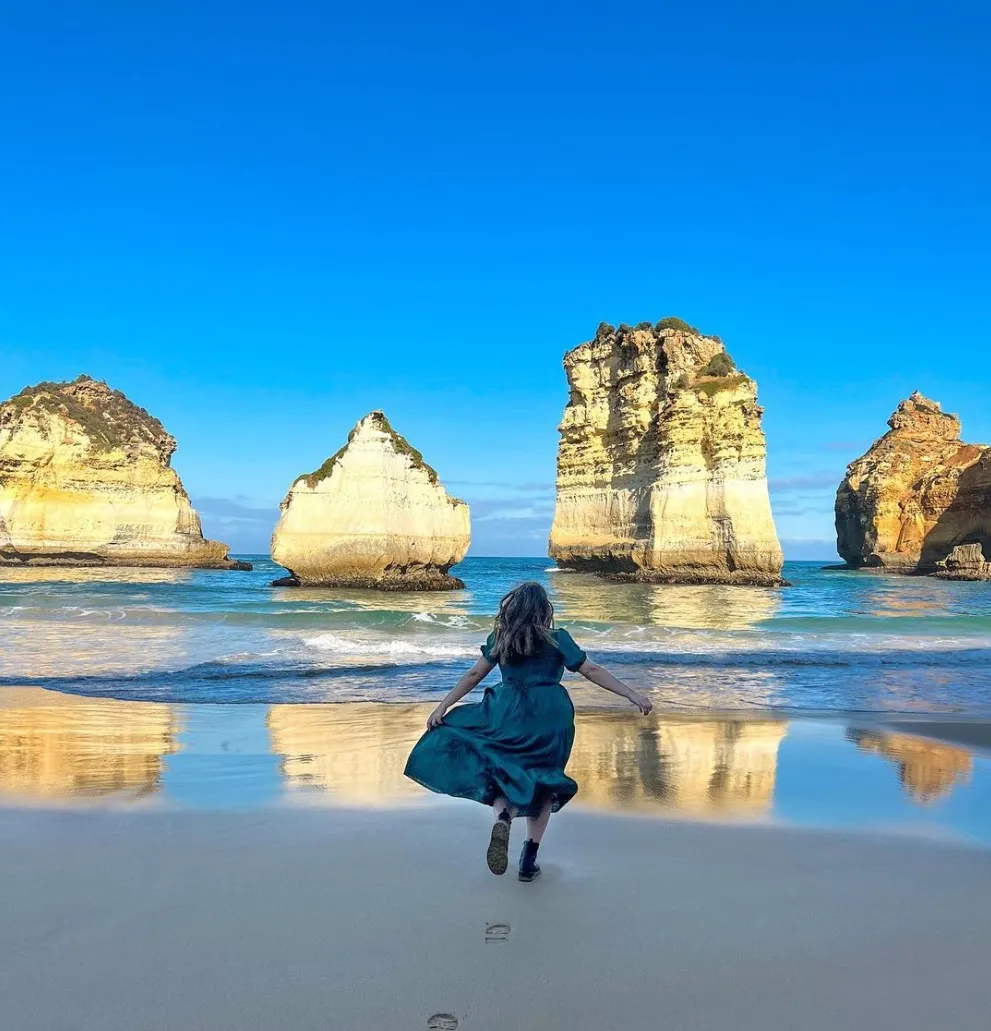
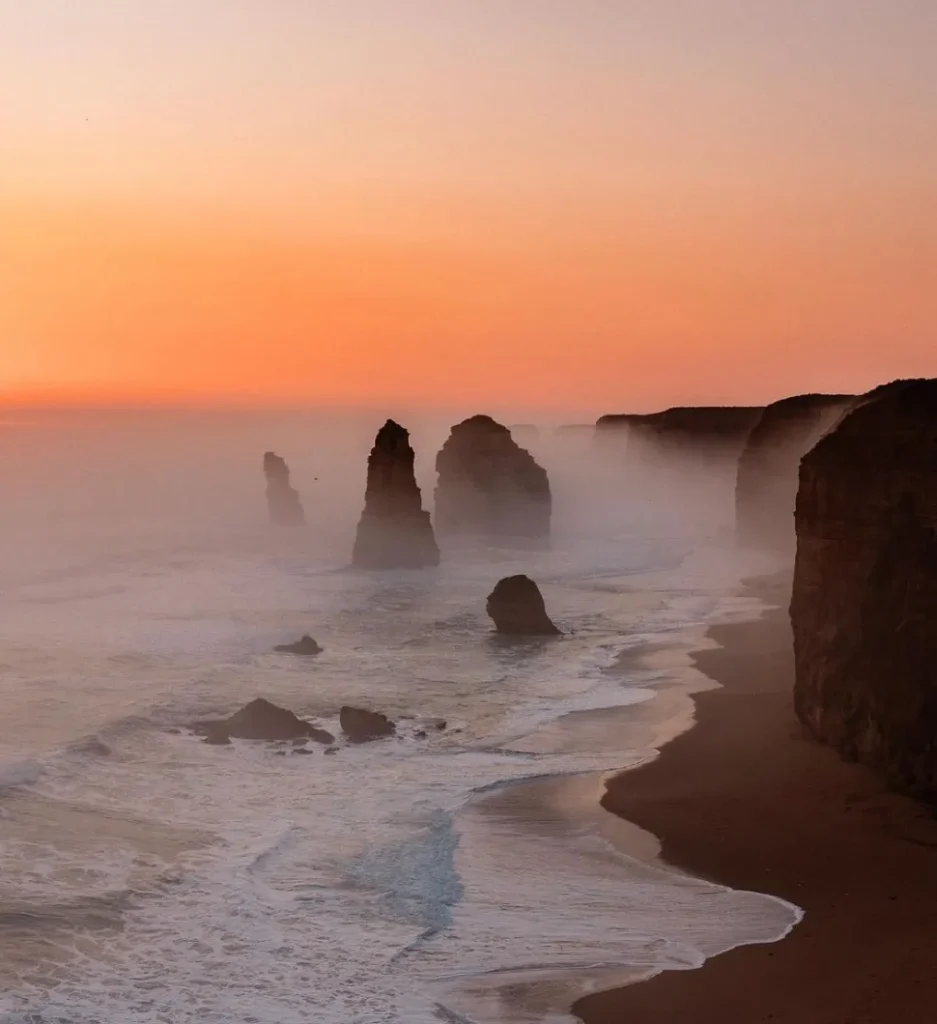
The Twelve Apostles, a group of limestone stacks separated by the Port Campbell National Park on Great Ocean Road in Victoria, Australia, are renowned for their breathtaking natural beauty and geological significance. These majestic rock formations have changed with time due to the forces of nature, which has acted as proof that coastal erosion is a very powerful process. This article offers a comprehensive guide to understanding and exploring this iconic destination as it delves into the geological, cultural, and natural importance of the Twelve Apostles.
Geological Importance of The Twelve Apostles
For over 20 million years, this area has been subjected to natural erosion processes leading to the formation of the Twelve Apostles, which indicates how dynamic the coast geomorphology can be. Limestone stacks were formed through the action of the Southern Ocean eroding cliffs made up of limestone. Waves gradually created caves in the rock face, which eventually became arches. The collapse of these arches resulted in isolated rock stacks that now stand alone. This process is still continuing where waves are gradually causing alterations on rocks.
Cultural and Historical Significance to Local Indigenous Communities
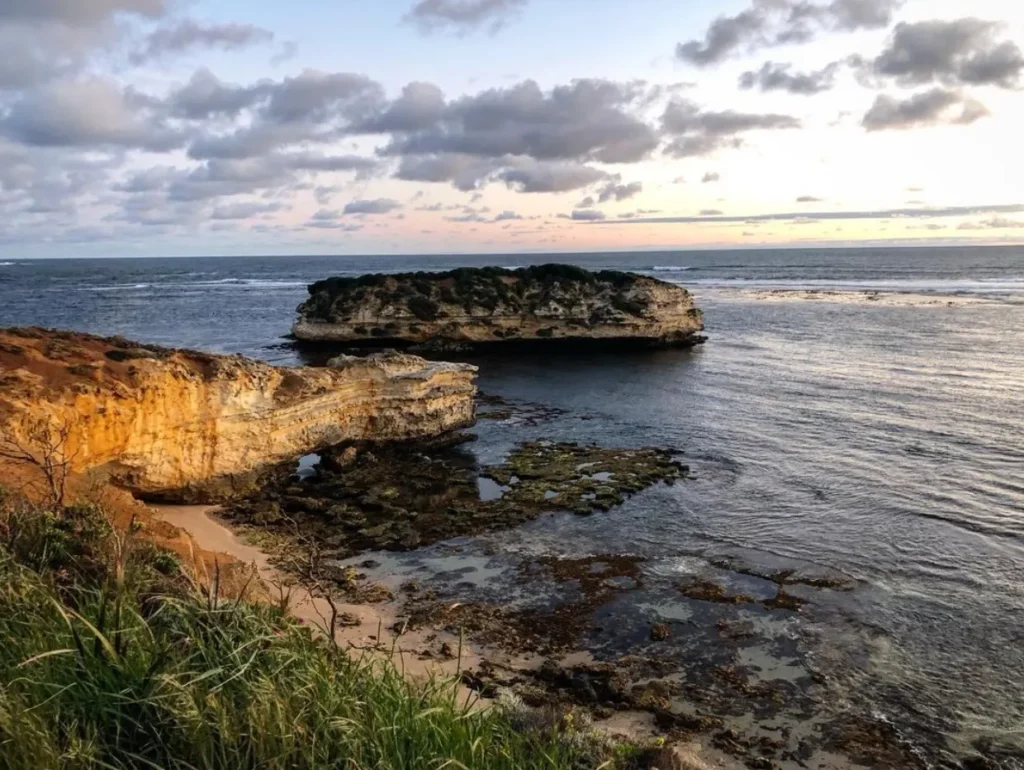
The Eastern Maar and Gunditjmara peoples, especially, have a strong cultural heritage related to the Twelve Apostles and their immediate environment. These communities demonstrate strong ties to the land through long-standing traditions as well as tales passed down from one generation up to another. There are numerous sacred sites throughout the area around Twelve Apostles that highlights why these locations must be taken care of.
Explore All Nature and Wildlife
Different kinds of plants and animals are found along the coastline of Twelve Apostles National Park to attract nature lovers. The rugged beauty of this area seems to be a suitable environment for a variety of life forms due to its pristine beaches, blue waters and rocky coastlines. Discoveries made during exploration can help human beings restore their connection with nature while also watching different species thrive in their own environment.
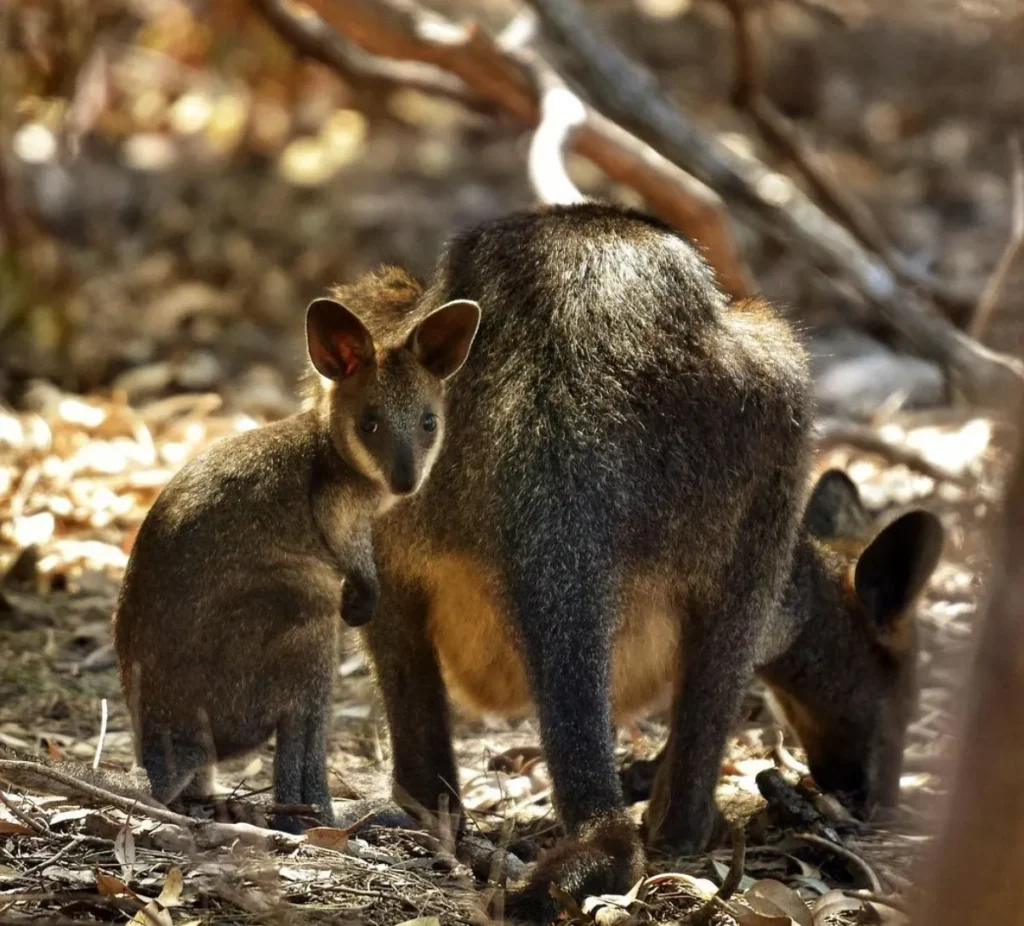
Black (or Swamp) Wallabies of the 12 Apostles Coast
The swamp wallaby is native to the coastal regions known as Otways or Mallee scrub in Victoria Australia including Twelve Apostles coastal areas . These dark furred marsupials can mostly be seen grazing on grasses early mornings or late afternoons .It increases bio-diversity within this locality thus attracting tourists who want unique animal viewing experiences.
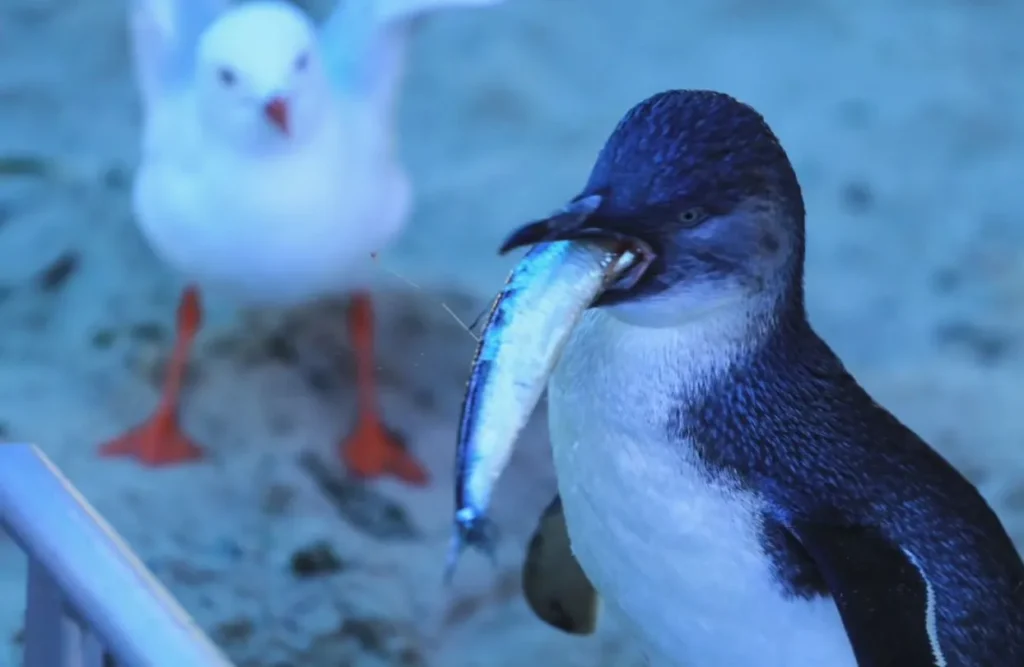
See Fairy Penguins if You Hang Around Until Dusk
One among several interesting wildlife sightings on the Twelve Apostles coast is viewing little penguins otherwise called fairy penguins .These are small birds that come back home at dusk after they have been fishing all day long. Watching these birds move up towards their burrows at sunset, however, gives one a heartwarming feeling about marine life experienced in this part of Australia.
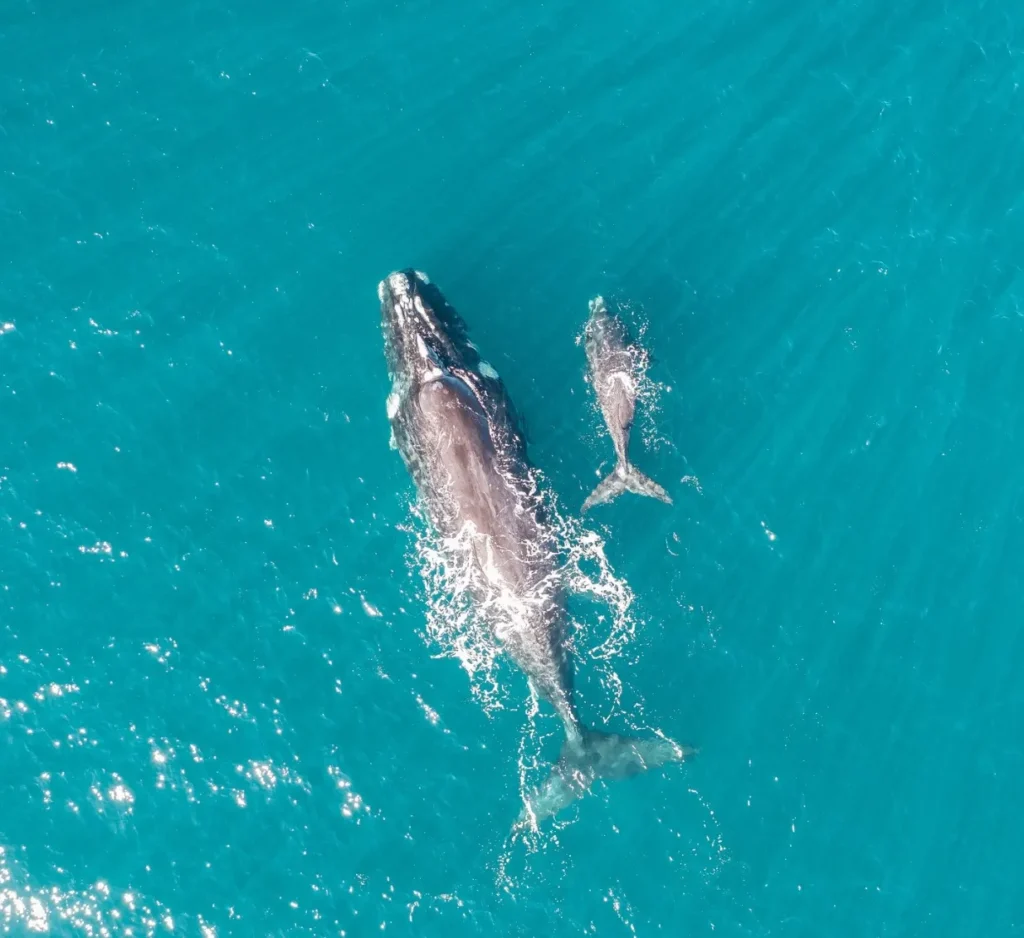
Southern Right Whales around the 12 Apostles Coast
The Southern Ocean near Twelve Apostle’s contain many Southern Right Whales; hence there are plenty chances for whale spotting. These large animals move to the warmer waters of the southern hemisphere between June and October for calving and mating purposes. Observing these gentle giants from cliffs is a must-see attraction for nature-lovers who plan to stay in this area.
Activities and Exploration
There are numerous opportunities available for visitors who would like to explore or participate in activities within the precincts of Twelve Apostles. These range from walking along scenic trails, having a panoramic view from lookout points among others. This varied terrain coupled with its rich history makes it an ideal destination for explorers and holidaymakers alike.
The Gables Lookout
Situated on one of mainland Australia’s highest sea cliffs, The Gables lookout offers breathtaking views of the ocean and coastline .It is an excellent place for photographing, whale watching, or simply enjoying the scenery which is so natural .A well maintained pathway leading to viewing platform makes it suitable even for older people and persons with disability.
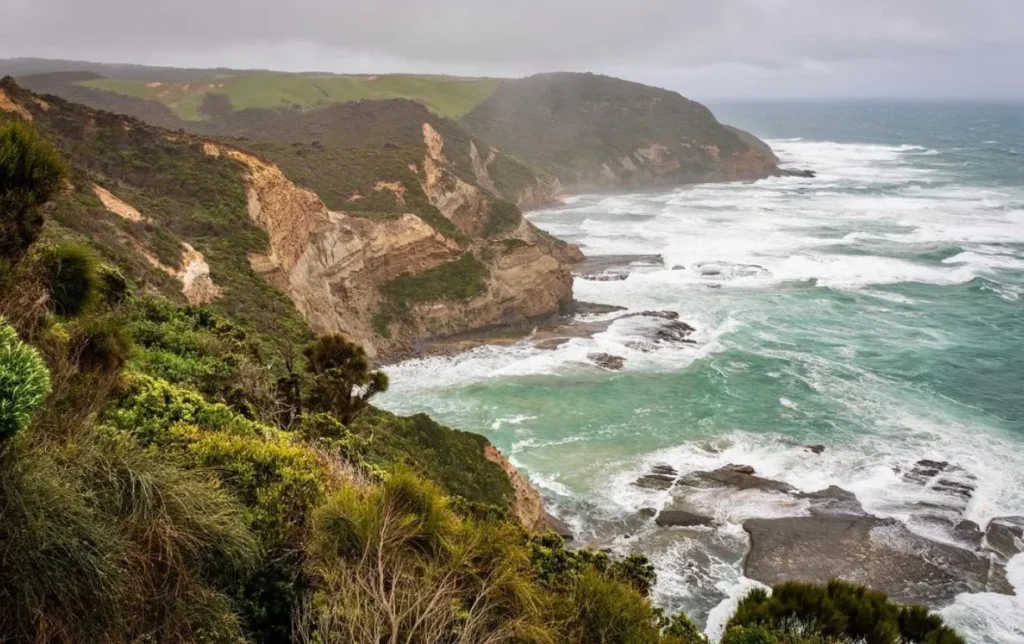
Croft’s Bay
If you’re looking for a secluded beach spot along Great Ocean Road then Croft’s Bay is worth considering during your trip south west Victoria . This sandy bay has calm water as well as beautiful beaches that make them good places to go swimming or just relax while sunbathing there .With such serenity and beauty displayed at Croft’s Bay , no doubt it will be loved by those fed up with overcrowded tourist hotspots.
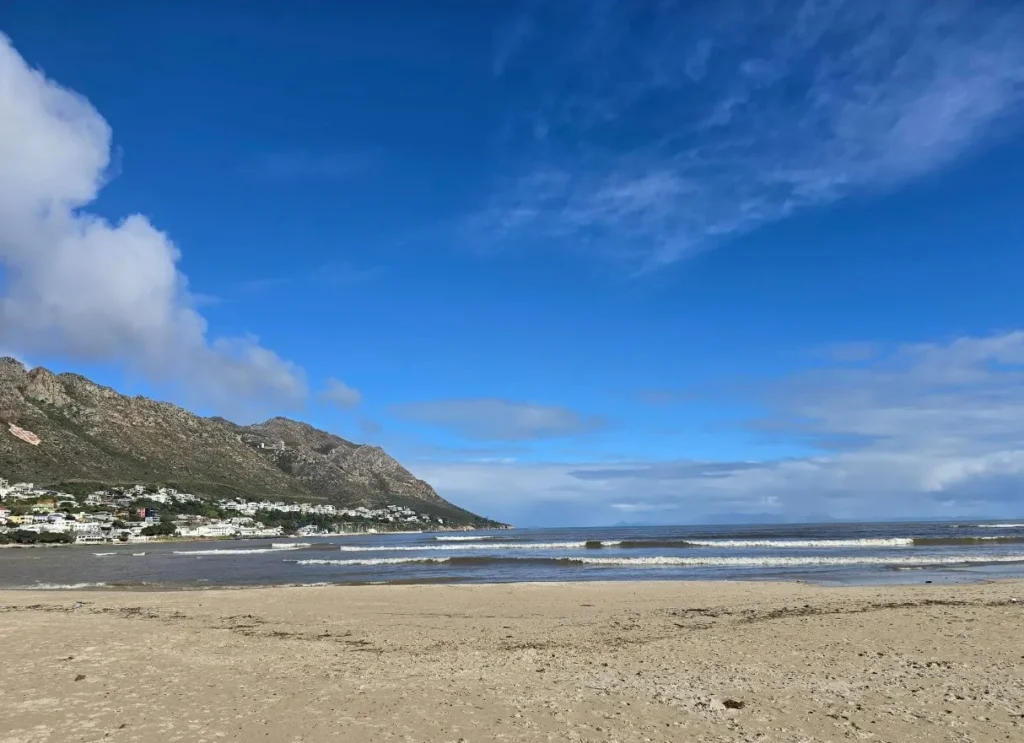
The Arch
The Arch is a natural rock formation near Twelve Apostles. It is an amazing structure that provides insight into the forces of erosion that have shaped the coastline. In this sense, a viewing platform has been constructed at this point to enable people appreciate the beauty of arch up close. Therefore, The Arch should be visited by anyone who wants to study geological formations within such areas.

Gibson Steps
Gibson Steps are another major attraction near Twelve Apostles. These steps cut into the cliff lead down onto the beach and offer a unique view of the limestone stacks from sea level. There’s nothing as inspiring as standing on this beach and looking up to watch those towering cliffs and rocks.

Table: Key Attractions Near the Twelve Apostles
| Attraction | Description | Activities |
|---|---|---|
| The Gables Lookout | One of the highest sea cliffs in mainland Australia | Photography, whale watching |
| Croft’s Bay | Tranquil bay with calm waters and pristine beach | Swimming, picnicking, relaxing |
| The Arch | Natural rock formation offering insight into coastal erosion processes | Photography, sightseeing |
| Gibson Steps | Steps leading down to the beach, offering a unique perspective of the cliffs | Beach exploration, photography |
| Apostles Lookout | Viewing platform offering stunning views of the Twelve Apostles | Photography, sightseeing |
Getting There and Location
Twelve Apostles are situated along Great Ocean Road which is one among many iconic coast lines in Australia. Traveling from Melbourne to Twelve Apostles takes around 275 kilometers while there are numerous sceneries along it where one can stop for some photo shoots. The drive itself is part of your experience with views towards rugged coastline and charming seaside towns.
Travel Options
- By Car: Driving through Great Ocean Road provides you with chance to stop at different points; hence it gives flexibility when someone travel with his or her own car. Amongst the towns that you will pass include Apollo Bay and Port Campbell. These offer opportunity to explore the places of interest within them as well as gaze at beautiful beaches.
- Guided Tours: There are several tour agents who provide guided Great Ocean Tour Melbourne to Apostles, thereby providing professional commentaries and convenient transfers. That is ideal for anybody who wants a program and someone that can explain everything.
Visitor Facilities
Twelve Apostles Visitor Centre is equipped with some basic amenities designed to enhance visitor’s experience. The facilities range from washrooms, coffee shop offering scenic view as well as souvenir shops disseminating information about the region. Furthermore, there are also interpretive displays providing insights into geological and cultural significance of Twelve Apostles.
Best Times to Visit
The best time to visit the Twelve Apostles is during the summer months between November and March when the weather is pleasant and the days are long. However, each season has its own unique features:
- Summer (December – February): This period is good for beach activities and clear skies provide sumptuous views across this landscape. It’s also the peak season; hence expect fewer visitors here.
- Autumn (March – May): This time has reasonably cool temperatures and less busy periods where one may take their time without rush. Additionally, colours in which vegetation changes add magnificence to sceneries.
- Winter (June – August): Winter being colder remains Western Victoria’s premium whale-watching spot due southward movement of southern right whales during this migration period in some pods. Besides this, it has dramatic cliffs along with rugged shoreline which makes it even more significant during this part of year.
- Spring (September to November): There are blooming wildflowers that adds color to the view. The weather is mild and wildlife activity increases, thus making it a great time for nature walks and bird watching.
Tips on Planning Your Visit
- Arrive Early or Late: To miss crowds consider visiting either early in the morning or late afternoon. This also allows you to see the Apostles at sunrise or sunset which gives you an amazing view.
- Check the Weather: Coastal weather can be changeable so it’s worth checking ahead before you go. Dress in layers as conditions can vary throughout the day.
- Book Accommodations in Advance: If you plan to stay overnight, book your accommodation early, especially during peak seasons. There are various options from budget motels to luxury hotels and exclusive eco-luxe villas.
- Bring a Camera: With stunning views of the sea and dramatic landscapes everywhere, there are countless photo opportunities. You will definitely need a camera to capture the beauty of Twelve Apostles along with other attractions around it.
Safety Tips
Visiting Twelve Apostles and its surrounding areas involves a number of safety precautions essential for an enjoyable experience. The rugged coastline, unpredictable weather and wildlife presence require careful planning and vigilance when visiting this place. Visitors adhering to these principles may enjoy this natural wonder but remain safe at all times.
Conclusion
The Twelve Apostles are not only an enigma of geology but also have cultural significance as well as being a natural treasure. Their formation speaks about millions of years of natural process while their cultural importance links us to ancient traditions of local Indigenous communities. Exploring their different fauna, participating in various activities and enjoying views will make your journey unforgettable. By understanding how important this natural marvel is , we will keep preserving it for future generations who can come here.
FAQs
What is the best time of year to visit the Twelve Apostles?
The best time is during the warmer months from November to March when the weather is nice and the days are long. However, each season offers different experiences, such as whale watching in winter or wildflowers in spring.
Are there any guided tours available at the Twelve Apostles?
Yes, there is some guided 12 Apostles tour that provide information about the geology, cultural and natural significance of this area. These tours have a set itinerary and run by people who know what they are talking about.
Can you swim at the beaches near the Twelve Apostles?
Yes, you can swim at nearby beaches, but be cautious about strong currents and rips. Swim only in safe areas and take note of any warnings given by lifeguards.
How do I get to the Twelve Apostles from Melbourne?
The Twelve Apostles are approximately 275 km southwest of Melbourne. You may drive along Great Ocean Road; take a guided tour or use public transport options. Driving provides for flexibility to stop off at various points of interest en route.
What wildlife can I expect to see at the Twelve Apostles?
You will see different animals like black wallabies, fairy penguins, southern right whales during their migration season etc . Diverse flora and fauna species make it an attraction for nature lovers.