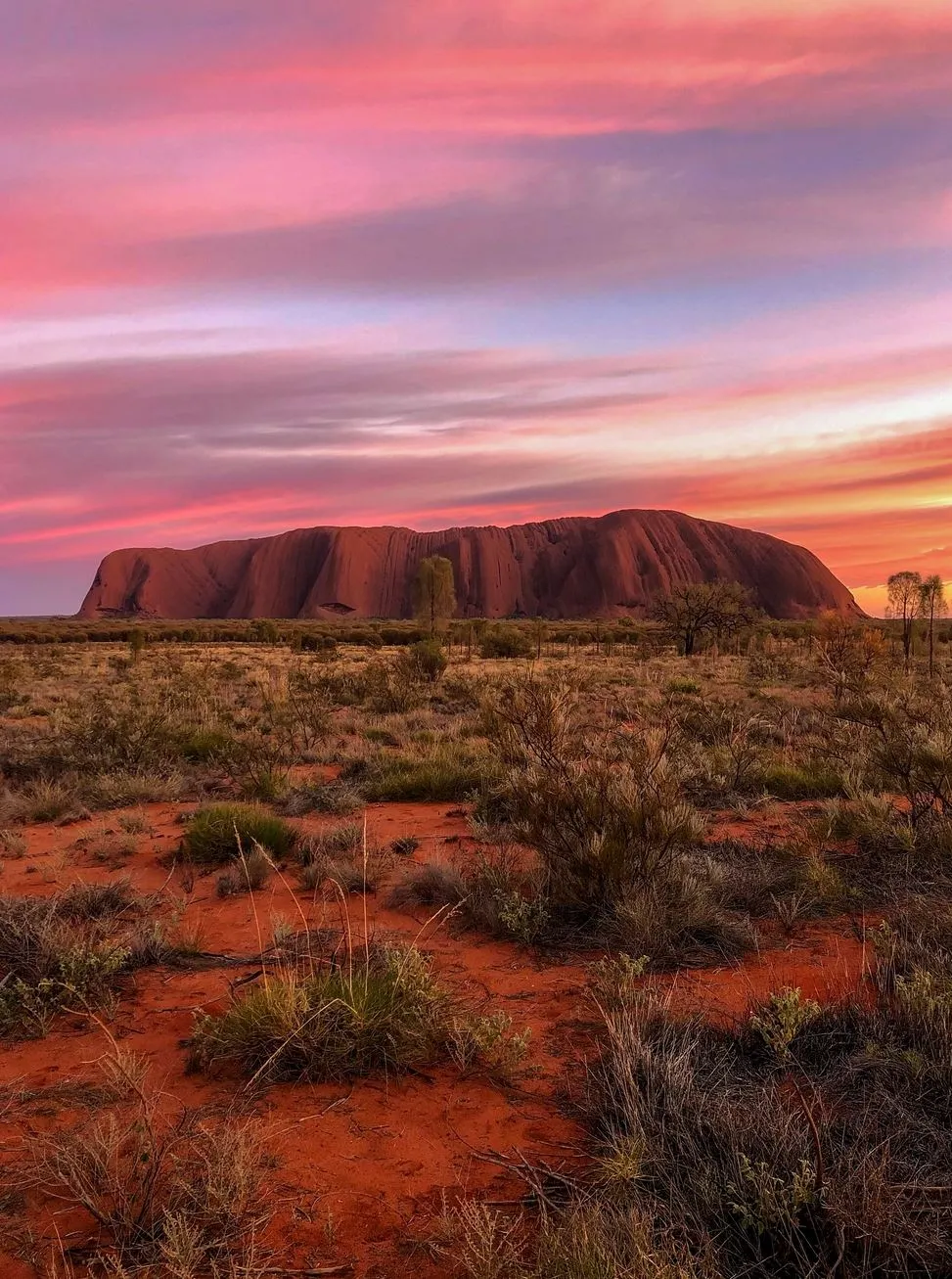
Uluru Trip: Drive Yourself or Join A Tour? That’s the question that keeps on popping up in the Red Centre – one I’ve had to grapple with myself more times than I care to admit, from dodgy old dirt tracks to the sealed highways we’ve got nowadays – every time I see travellers getting all torn between driving solo and sinking their teeth into a guided tour. The freedom of the open road or the comfort of having someone else at the wheel, with the added bonus of air conditioning to boot.
But honestly, there’s no one-size-fits-all answer – it’s down to your budget, how confident you are in your driving, how much of an adventurer you’re feeling like, and whether you think you can handle days on end of nothing but red dust and blue sky ahead. So let’s take a good, hard look at both options – no sugarcoating, no exaggeration – just a straight-up opinion from someone who’s had their fair share of dusty grins and fly-bitten lips in this place.
Getting A Handle On What You’re Getting Yourself Into

The drive from Alice Springs to Uluru is around 450 kilometres one way, and you’re gonna be passing by roadside gems like Erldunda, Curtin Springs and Mount Ebenezer, which are all great spots to stop off and fill up – both your car and yourself. Depending on how many times you pull over for photos or dodging roos, it’s gonna take anywhere from three to five hours each way, so be prepared for that. And don’t forget – if you’re not used to driving in the outback, you’ll need to be ready for some stretched-out times.
Of course, a heap of Uluru Tours operate along the same stretch, giving you a chance to soak up the scenery without having to do all the driving yourself. Operators like Autopia Tours and Wildlife Tours make this long haul pretty comfy, with plenty of photo stops and a few yarns from the locals along the way.
And the conditions? Oh boy, it’s gonna be hot – 35°C plus in the middle of summer, narrow roads and stretches without a mobile signal for what feels like an eternity. So if your tyres or your patience aren’t up for the task, this trip might just test both – cheers.
Freedom, Flexibility and a Dash of Grit
There’s a certain pride in rolling into Ayers Rock Resort — the main resort village at Yulara — under your own steam. You control the playlist, the pit stops and the pace. You can pull over to photograph a wedge-tailed eagle on a fence post or wander off to a lesser-known lookout without anyone tapping their watch.
But self-driving here isn’t like your Sunday run to Bunnings. You’ll want to be prepared, both mechanically and mentally. Here’s the lowdown.
What You’ll Need for a Safe Red Centre Drive
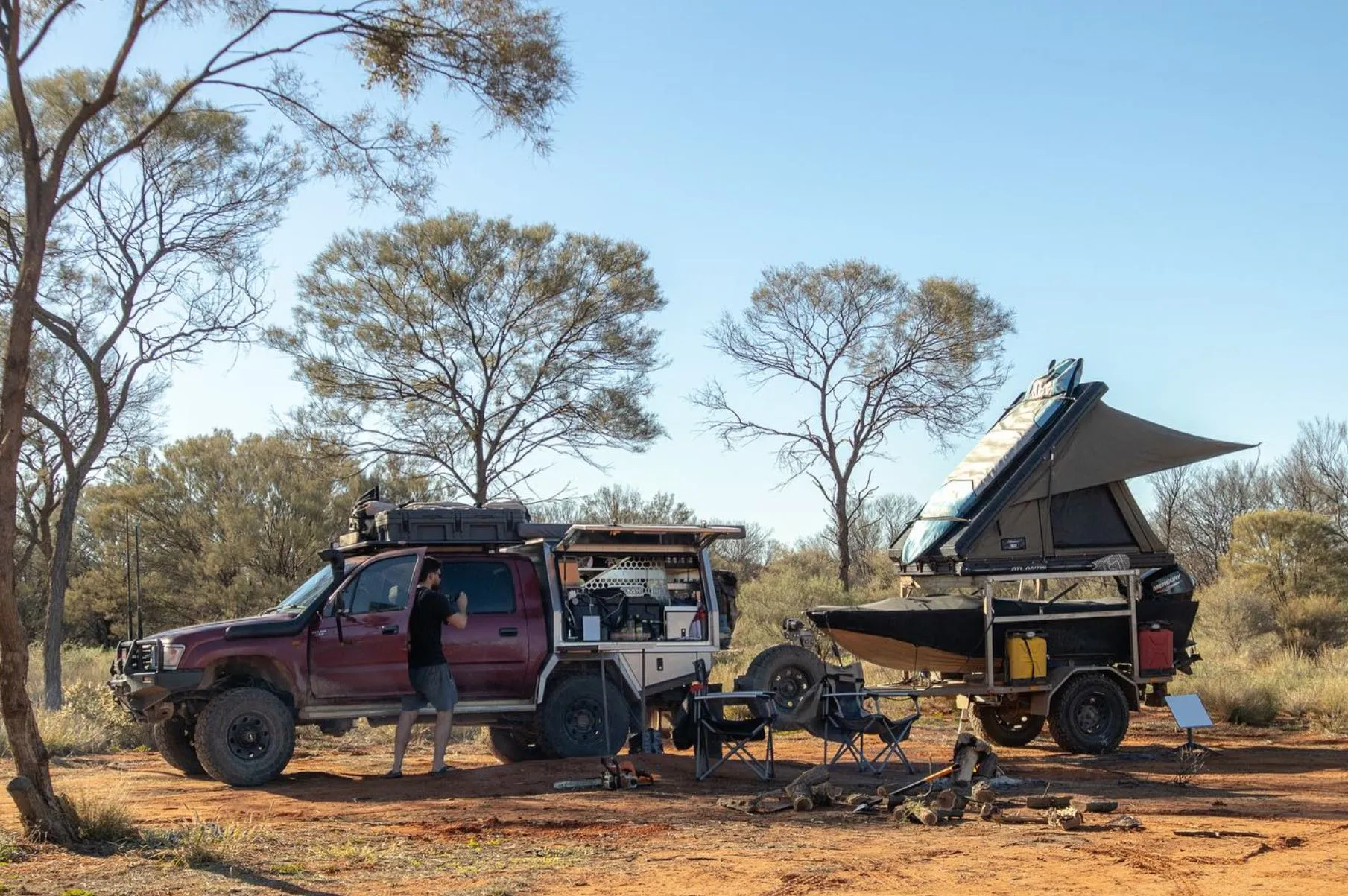
Before you hit the road, make sure your setup’s solid. This isn’t optional — it’s essential.
- Reliable vehicle: 4WD or well-serviced SUV.
- Spare tyres & tools: Blowouts are common on hot bitumen.
- Water: At least 10 litres per person.
- Fuel plan: There’s roughly 250 km between roadhouses.
- NT Parks Pass: Needed for Uluru-Kata Tjuta National Park.
- Maps or GPS backup: Signal drops often.
- Self-guided itinerary: Plan overnight stops and fuel in advance.
Even if you’re driving solo, tell someone your route and check the NT Road Report before you leave. Roads can close during the wet, and you don’t want to learn that the hard way.
Knowledge, Comfort and No Worries
If the thought of navigating roadhouses and tyre blowouts makes you sweat more than the desert sun, a guided tour might be your best bet. These local tour operators — like us at Get Lost Travel Group, Autopia Tours and Wayoutback Tours — know every track, rest stop and story worth telling.
You get air-conditioned comfort, safety support and — best of all — a guide who brings the land to life. Instead of wondering what that rock formation is called, you’ll learn its Anangu name and hear the Dreaming stories behind it. It’s a richer, deeper way to experience Country and its Aboriginal culture.
What You Can Expect on a Guided Tour
- Transport and accommodation organised for you — no stress, no planning fatigue.
- Local guides sharing cultural insight and environmental knowledge.
- Group camaraderie — meet other travellers without the effort of convoying.
- Time efficiency — itineraries maximise the highlights while staying legal and safe.
- Bus tours and shuttle transfers — easy connections between Uluru, Kata Tjuta and your resort.
Most Uluru Tours also include cultural experiences with Anangu guides, park entry and meals, which can be surprisingly cost-effective once you factor in fuel, permits and gear hire.
DIY vs Reality: Is Self-Driving Really Cheaper?
Here’s where it gets interesting. Many people assume self-driving will save them money, but by the time you add up fuel, park fees, accommodation and the odd mechanical surprise, the gap closes quickly.
| Expense Category | Self-Drive Estimate (3 Days) | Guided Tour Estimate (3 Days) |
|---|---|---|
| Vehicle Hire | $150–$300 per day | Included |
| Fuel (900 km) | $250–$300 | Included |
| Accommodation | $150–$250 per night | Included |
| Park Pass & Fees | $38 | Included |
| Meals & Supplies | $100–$200 | Included |
| Total (Approx.) | $1,100–$1,700 | $1,000–$1,400 |
Source: NT Tourism cost averages, 2024.
So while driving gives you bragging rights, a tour can actually come out cheaper — especially if you’re solo or don’t have camping gear. Many Uluru Tours also include transfers from Alice Springs or Yulara, which saves on car hire altogether.
Cultural Protocols You Need to Know
Uluru isn’t just a big rock; it’s a sacred Indigenous site of great cultural importance to the Anangu people, the Traditional Owners. Climbing it was closed in 2019 — and rightly so. When I first visited back in the early 2000s, the climb was still open, and seeing people ignore the warnings was tough to watch.
Now more people are choosing to walk around the base — a 10.6 km circuit that shows caves, rock art and waterholes tied to Tjukurpa (Dreaming stories).
If you drive yourself, make sure you stop at the Cultural Centre first. You’ll learn the correct protocols for photography and access — and it’s just good manners. Tour groups from Autopia Tours and Wayoutback Tours include this in their tour automatically, which is another tick in their favour.
The Environmental Factor: Red Dust and Responsibility
Uluru sits in a fragile desert ecosystem that doesn’t recover quickly from damage. Off-road driving or wandering beyond marked trails can cause long-term damage to vegetation and sacred areas.
Guided tours follow strict sustainability codes, while self-drivers need to take that responsibility on themselves. As someone who’s run tours across NT for over a decade, I can tell you this: the Red Centre rewards respect. Leave no trace, use the designated dump points and resist the urge to carve shortcuts across the desert.
Seasonal Realities: Heat, Rain and Red Dust
Timing is everything out here. From October to March, the mercury soars above 40°C and the flies outnumber the tourists 10 to 1. The dry season (May-September) is the peak season with cooler nights, clear skies and safer driving conditions.
But don’t underestimate winter either. I’ve woken up in a swag near Kings Canyon with frost on my boots. Always pack for both extremes — desert cold can bite as hard as desert heat.
Exploring the Rock Region on Arrival
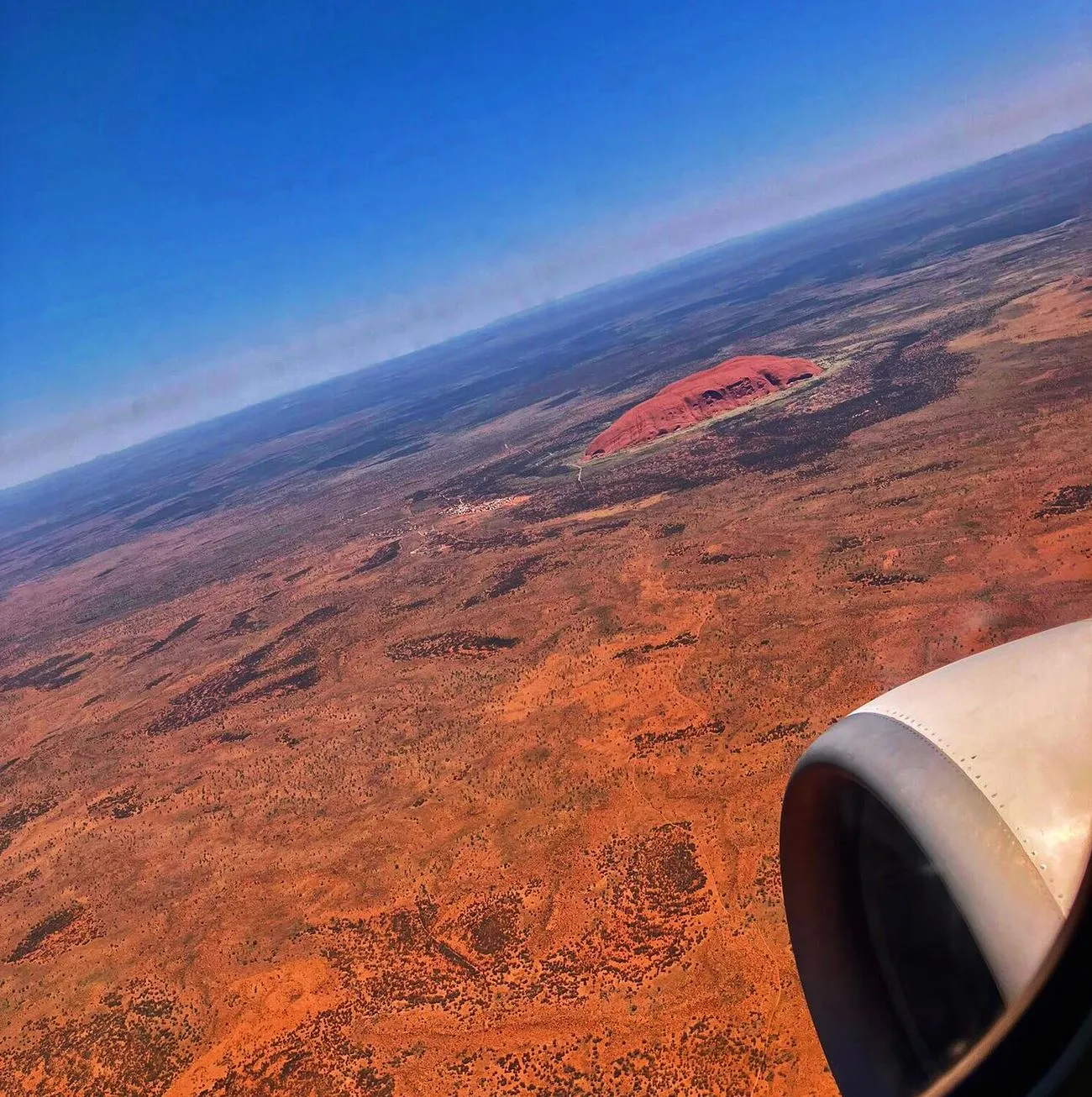
Even if you’ve flown in or driven all the way to Ayers Rock Resort, you’re still gonna need to figure out how to get around – well, you’re in luck! There’s a public transport system in place within the resort village, and a few super handy shuttle bus services that make getting to your accommodation, the Cultural Centre, and the walking tracks a lot easier.
If you want to be a bit more flexible in your exploring, you can grab a hop-on, hop-off bus pass – perfect for the traveller who likes to dabble in each of the key sites – the Uluru base walk, Kata Tjuta, that sort of thing. Or else you could sign up for a half-day or full-day guided tour that covers the highlights and throws in some stories and a bit of local perspective.
And if you’re after a real treat, skip the tiring drive and take to the skies with a scenic flight over Uluru and Kata Tjuta, which operate all year round from Yulara Airport. They won’t break the bank, but watching the rock turn a deep crimson from up top is an absolute once-in-a-lifetime view – and some of the tour operators, like Wildlife Tours, even throw in a sunrise experience for added measure.
The Middle Ground: Hybrid Travel for You Savvy Travellers
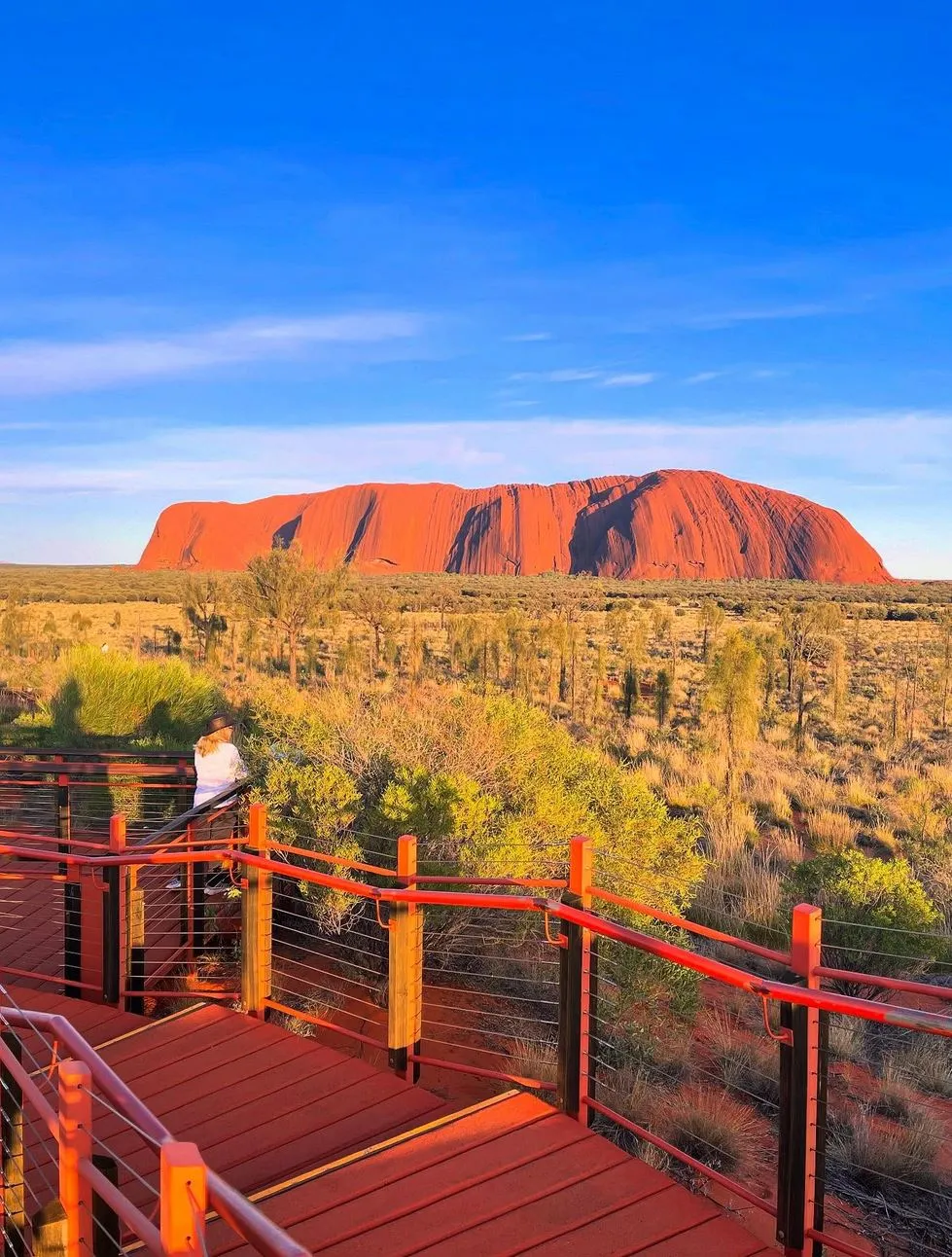
You don’t have to just take it one way – driving yourself to Alice Springs or Yulara and then signing up for a day tour to really get to know Uluru-Kata Tjuta is a great way to mix it up. You get the freedom of the open road on your own terms, plus the benefit of having a local expert on hand to fill you in on all the really interesting stuff.
Operators like Get Lost Travel Group, Autopia Tours and Wildlife Tours put together short Red Centre itineraries that fit right in with self-guided travel – you can even park up your van at the Rock Resort and join in for a day or two of Uluru Tours with a guide who actually knows what they’re talking about.
Safety by the Numbers: a Bit of Perspective
Having some numbers to back it up is probably a good idea. According to NT Road Safety, these are the 2024 figures :
Over 23% of serious crashes in the NT happen on those remote highways
Clearly, fatigue and wildlife collisions are the big problems – around 40% of incidents involve these two things
And if you’re an international visitor, you’re more likely to get stuck – one in five breakdown rescues around Yulara involve people from overseas
Guided tours are a lot safer – the vehicles are all kept in good nick, the drivers are trained in recovering stranded cars in the bush, and you don’t have to worry about doing a long drive at night. That’s one of the main reasons Wayoutback Tours has become such a trusted favourite for Uluru Tours through the Red Centre.
Local Insight
The first time I drove from Alice to Uluru, I had the misfortune of having my air conditioner pack it in just short of Erldunda. It was a scorching 41 degrees – the wind was like someone was blowing hair dryers at me, and I soon learned that one bottle of water is not gonna cut it out here.
By the time I stumbled into Curtin Springs, I was on the verge of collapse and completely caked in red dust. The publican handed me a cold tinnie and said, ” Mate, you’ve done the hard yards now”.
That was a pretty harsh lesson – the Red Centre doesn’t take kindly to beginners. These days, whether I’m leading a group on a tour or just driving solo, I never underestimate it.
Planning Tips
If you’re looking to tackle the drive yourself, a few practical tips will make things a lot easier:
- Start early, will you – especially at the end and start of the day when roos tend to get a bit more active.
- Book your accommodation at Ayers Rock Resort well in advance, or you might be sleeping in the car.
- Not every roadhouse takes cards, so do yourself a favour and carry some cash.
- Make sure you keep an eye on your fuel gauge – top up whenever you can, and try not to run on empty.
- Stay on your toes when it comes to crocs and the heat – Uluru itself might be dry, but venturing off on a side trip to somewhere like Watarrka could have you scrambling for shade.
For those on a guided tour, don’t just sit back and watch – grab hold of the chance to ask the guide a million questions, have a yarn with them and soak up all the stories and legends. That’s the real magic of this place.
Final Reflection
Whether you’re driving yourself or joining a guided tour, Uluru’s impact on you will be hard to miss — it’s not just the red dust you’ll be taking home, it’s something that digs deeper. The stillness out in the desert has a way of getting under your skin.
For me, it’s not so much about the route I’m taking as it is about paying my respects, being ready for whatever comes, and genuinely connecting with the land. Uluru is not somewhere you just tick off your bucket list and forget about – it’s a living, breathing landscape, and whichever way you travel, it needs to be with a sense of awareness and care.
If you’re still undecided, think about what kind of traveller you are. Do you love being independent and hate being told what to do? Then grab the keys and drive. On the other hand, would you rather sit back, listen to stories and let someone else take care of the driving? Then book one of the many Uluru Tours out of Alice Springs or Yulara. Either way, you’ll come back changed – and with a few extra dust specks to show for it.
FAQ
How Long Does It Take To Drive From Alice Springs to Uluru?
You’re looking at about four and a half to 5 hours without even stopping – but of course, most people take longer and make more stops along the way. The bottom line is: start early to avoid driving in the dark, and be extra careful on the roads because roos, cattle and camels are just a couple of the hazards you’ll need to look out for.
Is It Safe To Drive Alone in the NT?
Provided you’re properly prepared, driving alone in the NT is not a problem – but do stick to the main roads, carry some water and fuel with you, and check that road report before you head out the door. And please, avoid night driving and let someone know where you’re headed.
Can You Camp or Stay Near Uluru?
Unfortunately, you’re not allowed to camp within the national park itself, but there’s a big campground and some good quality hotels at the Ayers Rock Resort in the main village near Yulara. There are powered sites, showers and all the other essentials, and wild camping is definitely off limits.
What’s the Best Time of Year To Visit?
If you want to see Uluru in its best light, then May to September is when you should come – it’s the dry season, and the temperatures are a lot more bearable. Better still, there aren’t as many flies to contend with. If you don’t mind the heat and the occasional storm, October to March is the wet season – but do be aware that travel becomes a lot more hazardous.
Are Tours Worth It?
Absolutely, they are – especially if you put a high value on learning about the local Aboriginal culture, safety, and not having to worry about the logistics of getting around. Many of the Uluru tours put on by operators like Autopia Tours, Wildlife Tours and Wayoutback Tours will include things like meals, park passes and even accommodation – so it really can work out to be the most cost-effective option once you factor in all the other expenses.