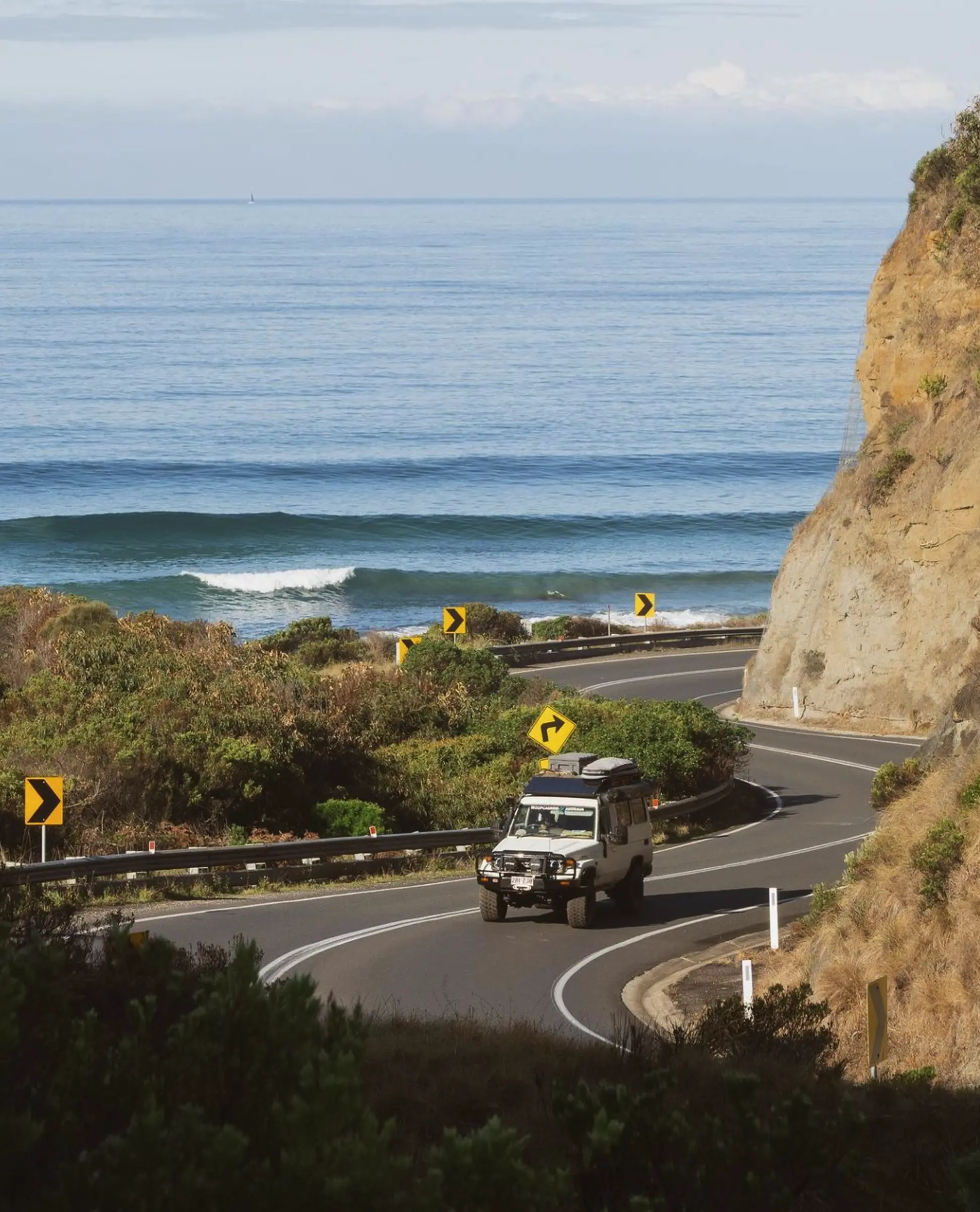
The Great Ocean Road is one of the most beautiful coastal drives in the world that extends from Torquay to Allansford, Victoria, Australia. This iconic route is about 243 kilometers (151 miles) long and boasts magnificent views of the Southern Ocean, verdant rainforests, quaint seaside towns, and dramatic limestone formations. In this blog post, we’ll discuss where does The Great Ocean Road start and end at? What are its main attractions? Why is it a must-visit place?
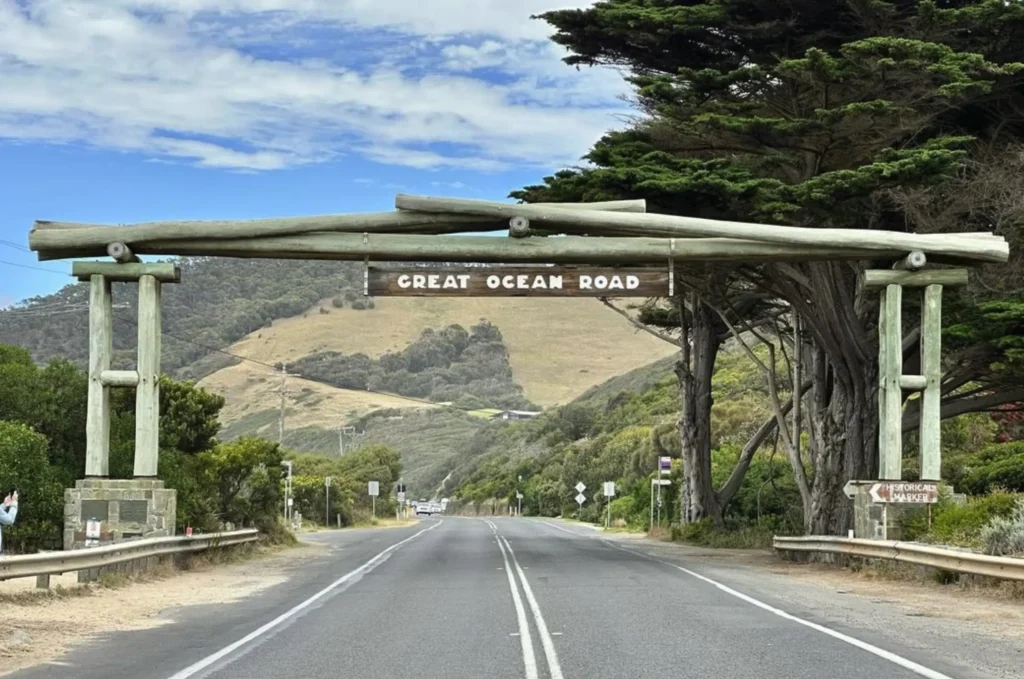
Importance Overview
Not only does the Great Ocean Road provide natural wonders but also historical and cultural values. Built by returned soldiers between 1919 and 1932 as a tribute to those who died during WWI, it remains the largest war memorial in existence today. It serves as an enduring symbol of their sacrifice while also being among the most visited tourist sites with millions coming each year. The road showcases some of Australia’s most scenic coastline attractions such as breathtaking cliffsides; lush rain forests; pristine beaches.
Historical Background Information
Isolated coastal communities were to be united via a proposal for creating employment opportunities for returning servicemen after WWII had ended. Constructing this enormous project meant that men would have to dig through rough terrain manually – what they did! Not only did completion allow transport and communication easier but it also promoted tourism which boosted local economies greatly since travelers could easily access different areas within region through well-paved roads like these ones we can see today anywhere over once barren land or bush track though now recognized nationally significant heritage site under protection so future generations can learn from them.
Starting Point: Torquay
The official starting point for The Great Ocean Road is located in the charming seaside town of Torquay which is renowned for its vibrant surfing culture and stunning beaches. Situated at the gateway to Surf Coast – there couldn’t be a better place to kick off this epic coastal adventure!
Main Attractions in Torquay
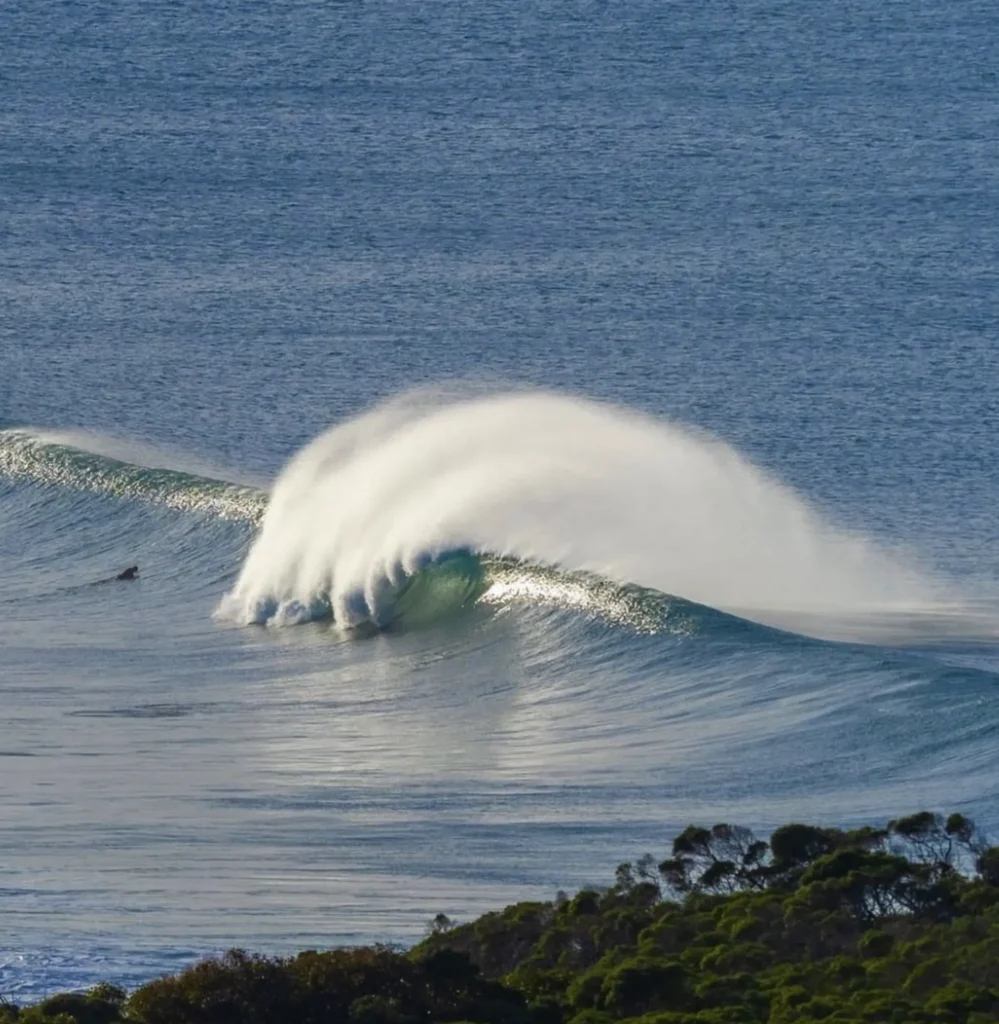
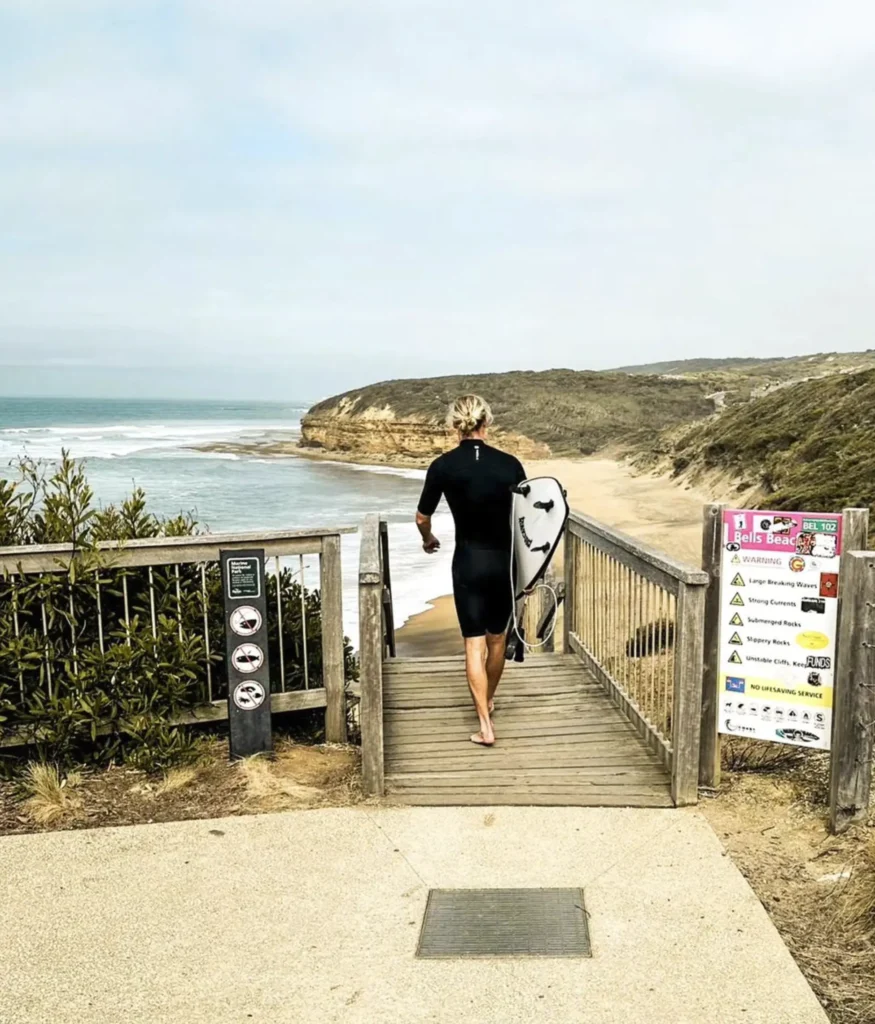
Visitors will find plenty of places to visit while in Torquay. Surf World Museum offers an interesting insight into surfing history whereas busy Torquay Foreshore provides a perfect spot for leisurely walks and picnics. Bells Beach, which is only a short drive away from Torquay, happens to be one of the most famous surf beaches across the globe world due to hosting annual Rip Curl Pro surfing competition.
Surfing Culture and Beaches
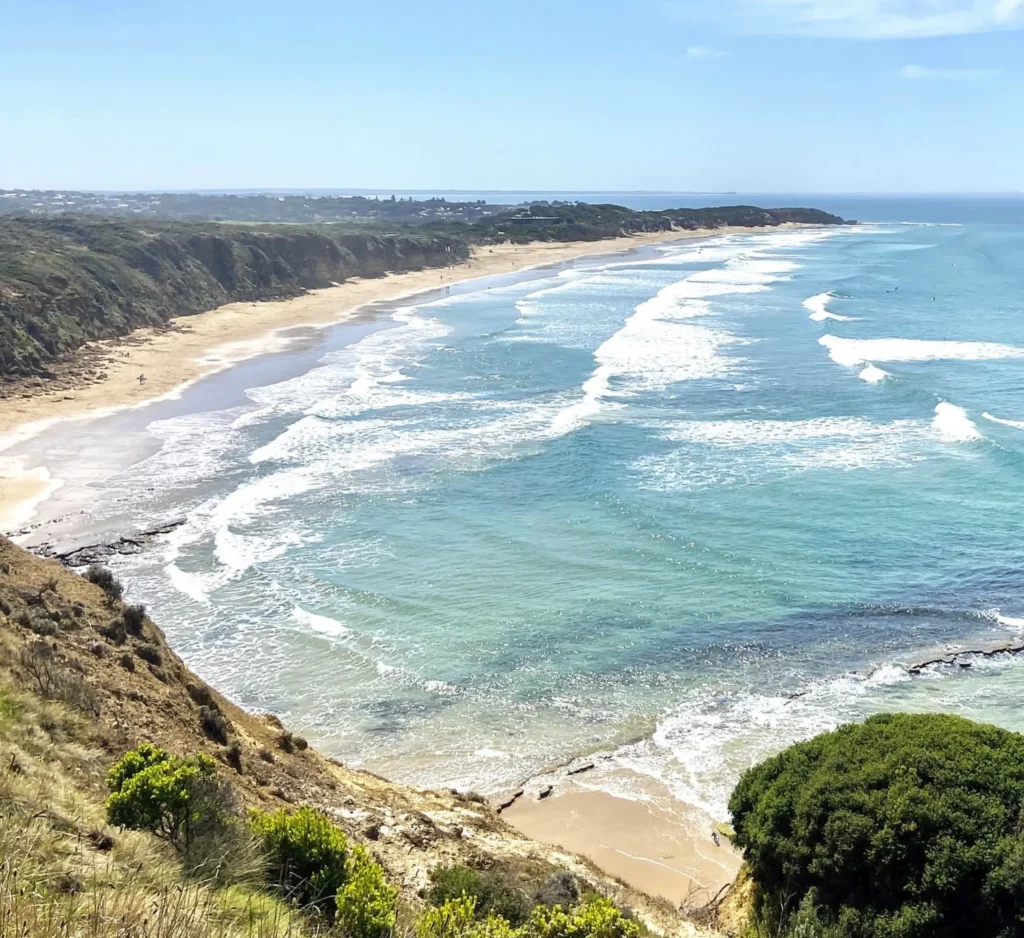
Torquay has deep roots when it comes down to surfing as evident by presence many iconic surf shops schools along with renowned beaches that attract worldwide enthusiasts. Beginners can take lessons at Torquay Surf Academy while experienced wave riders may choose challenging breaks found around Bells Beach area. On top of that, Jan Juc Beach or Fisherman’s Beach are great for swimming, sunbathing or simply soaking up stunning coastal views within town limits.
Journey Along The Great Ocean Road
From here on out, once you leave behind bright lights cityscape inner suburbs like Melbourne where my office is based; heading south-west towards Geelong before veering down southwestwards along western coastlines towards Adelaide – all along this route called “The Great Southern Drive” or just “The GDR”; whichever name suits your liking better – know that every bend brings something new! As we wind our way southward from Corio Bay near Lara through towns such as Anglesea where Jarvis Creek meets Bass Strait right up until Princetown near Twelve Apostles marine park entrance overlooking Port Campbell National Park itself… there’ll always be another breathtaking view waiting around next corner so buckle up tight folks because life truly never gets boring when driving along Victoria’s spectacular coastline!
Views of the Coast

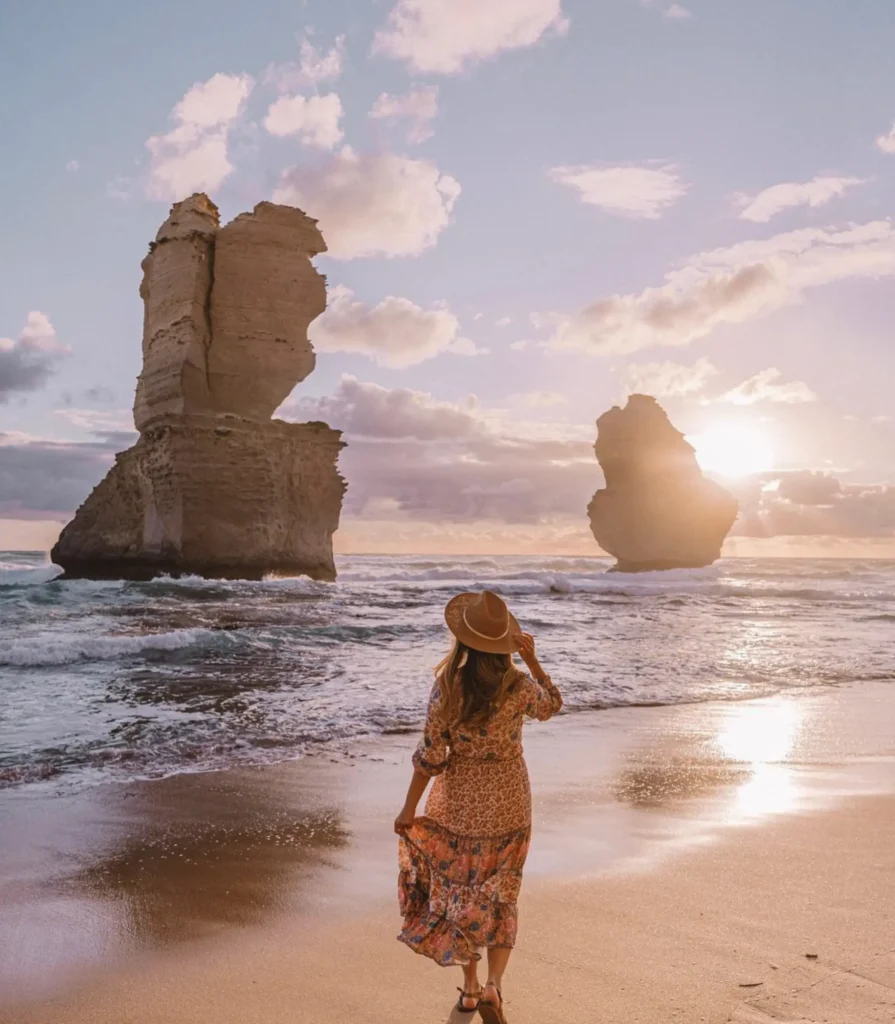
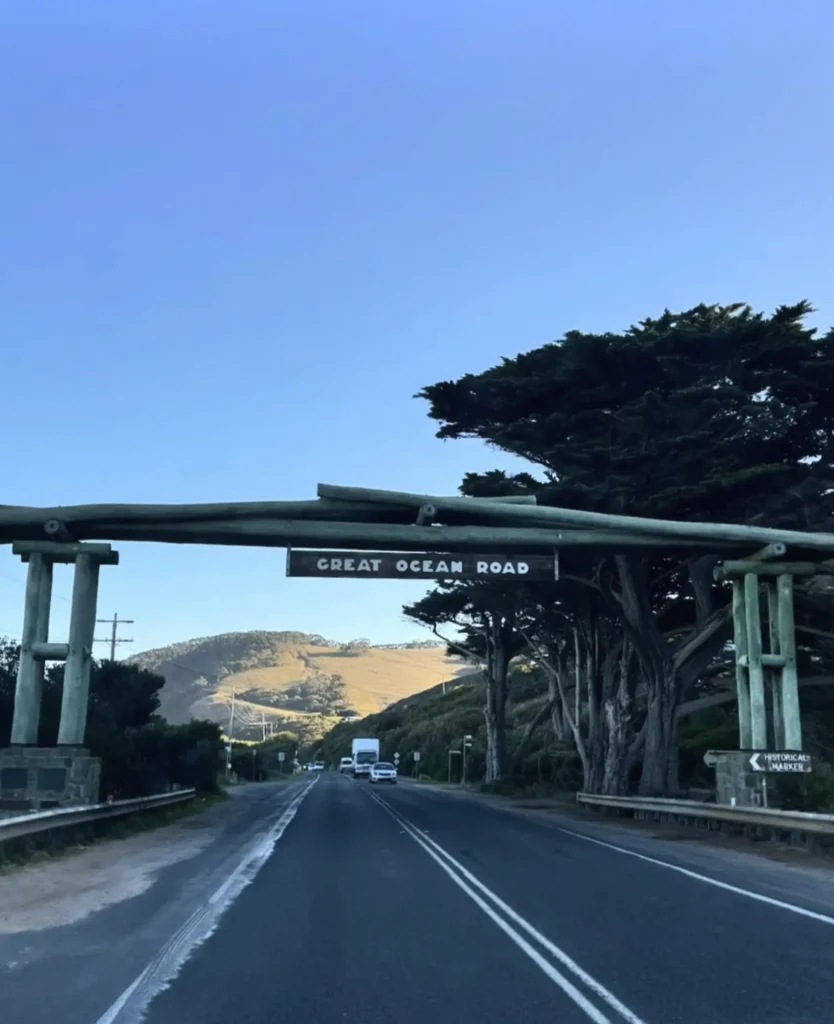
The Great Ocean Road is famous for its beautiful views of the coast. The Memorial Arch in Eastern View, which marks the beginning of the road, is one of the most iconic stops along it. After that point, the road goes past tall cliffs, secluded coves and sandy beaches.

Some notable spots for taking in panoramic views of Victoria’s coastline are Point Addis and Split Point Lighthouse at Aireys Inlet.
Meeting Wildlife on Your Journey
Various ecosystems exist side by side within the region through which this Australian highway passes; these systems support a wide array of different creatures. For example, at Kennett River there are koalas that live high up in trees full with eucalyptus while kangaroos can be seen grazing on Anglesea’s fields close by. Throughout your travels keep an ear out – or rather, an eye open! – as many types native birds like cockatoos or kookaburras might just perch themselves somewhere nearby where they can be spotted easily by anyone interested enough lock eyes onto them long enough; marine life also flourishes around here so if you’re lucky seals may come into view dolphins too could leap beside your boat during their migration season even whales.
Must-See Landmarks and Attractions
There are several places which have become symbols representing not only this Australian highway but also Australia itself due to being so unanimously recognized as worth visiting during any trip along its path because without doing such would leave big hole within memories about our visit.
The Twelve Apostles
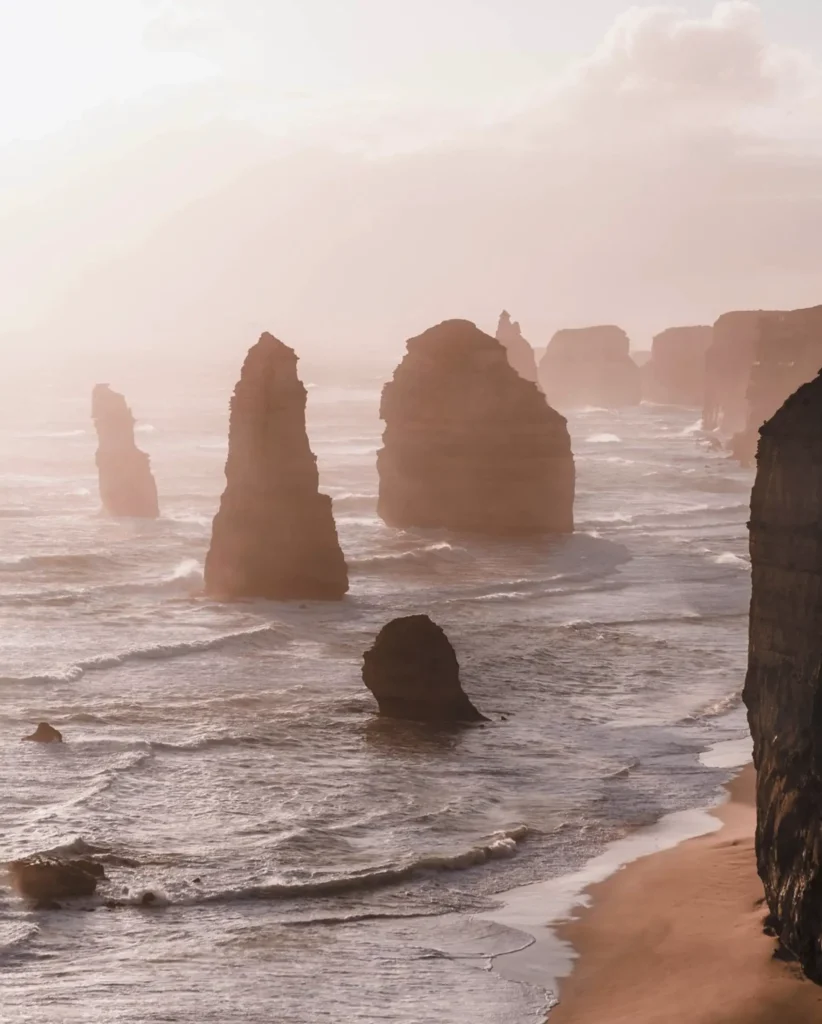
One rock formation stands above all others when it comes down naming best-known sites along this route – limestones stacks called The Twelve Apostles rising majestically from Southern Ocean waters off Port Campbell National Park shorelines; these were shaped over millions upon millions years thanks largely erosion processes driven primarily wind wave action against softer underlying rocks thus creating headlands which then eroded further until only harder more resistant materials remained jutting out into sea forming stacks like those seen today; visitors can overlook them right at dedicated viewing platforms along coast or even take helicopter rides over them for truly stunning sights; despite being called twelve apostles, only eight of these structures have managed survive so far against constant onslaughts that come with being exposed directly onto open ocean which constantly batters away at bases until they eventually collapse under their own weight while others simply crumble into sea due lack support from beneath caused by erosion eating into softer rock layers.
Loch Ard Gorge
Another great place worth stopping off is Loch Ard Gorge named after shipwrecked vessel “Loch Ard” which sank hereabouts back in 1878 resulting loss lives but fortunately two people were able make it ashore alive thanks mostly luck rather than any skill on their part; this historic area features some really impressive cliffs as well as a nice sandy beach where tourists love to relax or swim during summer months when water temperatures rise significantly higher than usual levels experienced along rest southern coastlines down Tasmania waywards towards Antarctica (which doesn’t experience much warmth all-year round anyway).
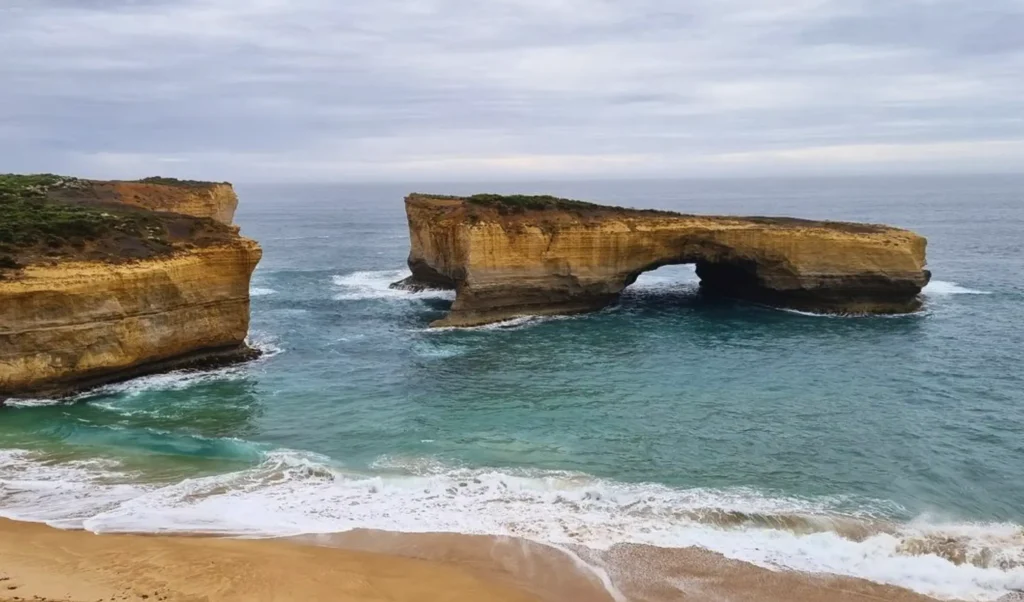
London Arch
One more notable site along the way could be London Bridge now called “London Arch”; it used to look just like any other natural bridge until one day when half collapsed leaving behind what appears today – an eye-catching single span archway overlooking seas below, thus creating fantastic opportunities for photography enthusiasts who enjoy taking pictures out over such dramatic landscapes where light interacts so dramatically with different elements found within scene itself including wave action against coastal rocks around base which tends create spray clouds rising skywards above cresting waves crashing onto shorelines nearby causing rays sunlight shine through billowing mists created by these sprays reflecting back up into atmosphere before finally reaching camera lenses situated high up atop nearby cliffs overlooking whole spectacle unfolding before ones eyes.
Towns and Villages Along the Route
Lorne
Lorne is a popular beach town on the Great Ocean Road that’s known for its lively atmosphere, stunning views and artistic community. Visitors can swim at Lorne Beach, stroll along Mountjoy Parade to explore the shops and cafes, or take a walk through the rainforest to Erskine Falls. The town also hosts several festivals throughout the year including the Lorne Sculpture Biennale which showcases works from artists around Australia and beyond. With so much natural beauty combined with cultural offerings it’s no wonder why people flock here every summer!
Apollo Bay
Apollo Bay is a picturesque town located near the hills of the Otways and the Southern Ocean. It offers beautiful views and outdoor activities. There are sandy beaches for visitors to relax on, they can also drive up to Marriners Lookout for a beautiful sight or start at Apollo Bay and walk 104 kilometers along the great ocean road which ends in twelve apostles. Additionally, it provides access into Otway National Park where there are rainforests with rich flora & fauna as well as waterfalls.
Port Campbell
Port Campbell is a small coastal village that sits next to some of Great Ocean Road’s most iconic attractions including Twelve Apostles, Loch Ard Gorge and London Arch. The town is also an ideal place to unwind with its protected bay, cliff top walks offering scenic views over the coast line and cosy cafes serving locally made delights. There are many things to do in Port Campbell national park such as hiking trails for wildlife watching or photography while dramatic limestone stacks rise out from hidden beaches along towering sea cliffs which make this area perfect for outdoor lovers who want more adventure during their trip here.
End Point: Allansford
Allansford Key Attractions
Allansford serves as both the gateway to Shipwreck Coast and an attraction in its own right at the end point of Great Ocean Road just east of Warrnambool. The shipwreck coast has many other stops like twelve apostles but Allan’s ford isn’t that popular yet it offers unique features which will interest any visitor who comes across them while traveling through this route. One example is Allan’s Cheese World where people can learn about dairy farming history within region before trying out some locally produced cheese varieties;. In addition parks provide nice spots where one can have picnic or take leisurely walks since it’s not big enough for mass tourism like other towns along these roads but you still get fun there because everything has been designed around merriment.
Transition to the Shipwreck Coast
From Allansford, travelers can continue their journey along the Shipwreck Coast. This part of the coast is known for its dangerous waters which have caused many ships to sink in this area over time. More natural attractions can be found here such as Bay of Islands, Childers Cove or Tower Hill Wildlife Reserve where volcanic landscapes meet native wildlife habitats providing an opportunity for visitors interested in history and natural beauty alike.
Things to Do and See
Outdoor Activities
The Great Ocean Road is a paradise for adventure lovers. Hiking trails such as the Great Ocean Walk or those in Otway National Park allow visitors to explore the natural beauty of this area on foot. The relatively long coastal walk from Apollo Bay to the Twelve Apostles, known as the Great Ocean Walk, features stunning views over ocean and cliffs, varied wildlife, and lush forests. There are many water activities too – surfing, kayaking, snorkeling etc., with a number of beaches and coastal areas providing great conditions for these sports. Wild-life watching also ranks high among attractions here – koalas, kangaroos or numerous bird species can be seen in their natural habitat easily. For those who seek some more adrenaline rush it is possible to get closer to rough terrains & rich flora/fuana by undertaking various adventurous trips along the length of Great ocean road.
Foodies’ Paradise
The cuisine along The Road is sure not only please but surprise any gourmands out there; countless cafes, restaurants local producers showcase what they have best got on offer when it comes down culinary delights associated with this region. Fresh seafood takes pride place here – many eateries serve fish caught directly from nearby waters as well prawns/oysters etc., all sourced locally of course! Dairy products are another strong suit especially cheese making which can be explored at places like Allansford Cheese World amongst others while wines & beers also thrive being produced throughout wineries located within close proximity thereof providing both tasting experiences plus informative tours around them so one could just indulge themselves into trying everything available if they feel up for it! Indeed diverse food culture lining its sides ensures that each meal becomes an unforgettable experience in itself.
Practical Information for Tourists
When Is The Best Time To Visit?
It’s worth mentioning that although you may visit any time round year depending upon your preferences/interest; however summers (December-February) usually bring along warm weather coupled with longer daylight hours making them perfect fit for beach activities or outdoor adventures such as those mentioned earlier. Having said this please note it also being busiest period so expect more people everywhere including popular attractions higher prices charged by accommodation establishments. Spring season (September-November) and Autumn/March-May) are known as shoulder months due to milder temperatures, less crowded places mixed beautiful natural sceneries like wild-flower blooming or colorful leaves falling from trees during fall respectively; hence provide best scenic experiences possible while at same time avoiding large numbers tourists which can sometimes interfere peace that one seeks when exploring certain off beaten track areas of interest along route taken here either alone or friends/family members who share similar mindset towards discovering hidden gems around these parts! Winter(June-August) is quietest months all year round having low visitor numbers which attribute colder days/nights occasional rains but still suitable period for viewing breathtaking coastal landscapes & staying warm next fire-place inside cozy accommodations dotted across entire region.
Places to Stay
No worries about where sleep either because there’s something cater everyone regardless their pockets depth has been made possible through availability different types lodging facilities ranging from luxurious resorts/boutique hotels budget motels/camp-sites/hostels et al which means nobody should ever feel left out when planning overnight stopovers while travelling along Great ocean road. Some popular examples include RACV Torquay Resort, Apollo Bay Eco YHA, Port Campbell Hostel etc., however if looking much closer contact nature then camping sites/caravan parks might be better suited preference since allow one experience first hand what mother earth has offer – waking up surrounded by chirping birdsong or going bed under starry night sky just few sounds sights that are bound remain forever etched into memory any person fortunate enough have had opportunity witness them live!

Safety Tips and Road Conditions
Traveling the Great Ocean Road can be a thrilling experience, but it is important to know the safety tips and road conditions to ensure a safe trip. This road is winding and narrow in some parts so it is crucial to drive carefully as well as watch out for other cars and bikes. Traffic can get heavy during peak tourist seasons; therefore, it is recommended that you begin your journey early in the day so as to avoid getting stuck in traffic jams. Also, weather conditions may affect driving especially during winter when it usually rains or gets foggy most times. Always check the forecast for the weather before you leave and be ready for different changes.Lastly,take advantage of many rest areas made for stopping along with lookouts on route where you can have a break from driving ,strech your legs and enjoy amazing views.
Conclusion
The Great Ocean Road cannot be compared with any other trip because of its unique aspects such as cultural heritage sites outdoor adventures among others.It starts at Torquay going all through Allansford thus providing an opportunity to see beautiful places found on Australian coast line .This iconic highway does not only offer numerous attractions but also gives different experiences within itself.Whether you want a weekend getaway or want to take a memorable drive while on holiday from overseas, then this place will give you exactly what were looking forward too.if there are any questions that need answers please do not hesitate asking them in order for us help where possible.
FAQs
1. How long does it take to drive the entire Great Ocean Road?
Answer: The journey takes about 3-4 hours if there are no stops though it is advisable to allocate at least 2-3 days to visit all points of interest.
2. Are there guided tours available for the Great Ocean Road?
Answer: Yes, one can find several guided Great Ocean Tour from Melbourne ranging from single day up until multi-day trips which often involve passing through major points of attraction.
3. Is it safe to drive the Great Ocean Road at night?
Answer: It can be unsafe to drive at night because of corners and poor lighting along the route. Driving during daylight hours would make it more secure and fun.
4. Can you camp along the Great Ocean Road?
Answer: Yes, there are camping sites located at different places along this road where one can choose either basic or equipped campsites.
5. What should I pack for a trip along the Great Ocean Road?
Answer: Pack comfortable clothes, sturdy shoes, sunscreen, camera and map. For those going camping ensure that you have appropriate gears as well as supplies needed while camping.